My Overwatch 2 Steam Launch Memories: Review Bombing, Broken Promises, and a Community Divided
Overwatch 2 Steam reviews turned negative as director Aaron Keller admitted review bombing, citing scrapped PvE promises despite improved gameplay.
I still remember the day I finally saw Overwatch 2 on Steam. It was a moment many of us had been waiting for, a chance to bring the fight to a new platform and maybe welcome a wave of fresh faces into the hero shooter we loved. But when I opened the store page, the mood was anything but celebratory. The reviews were overwhelmingly negative. As a regular player, I felt a strange mix of confusion and sadness. This was the same game I had been grinding for months, the same heroes I cheered for, the same maps I had memorized. Yet the community was on fire.
Overwatch 2 game director Aaron Keller later acknowledged the review bombing, admitting that it wasn’t a “fun experience” for the team. That honesty stuck with me. It’s rare for a developer to openly say that kind of thing, especially during a launch window when marketing usually tries to project nothing but confidence. The Steam release had given players a direct megaphone, and many used it to vent years of frustration. Some of that frustration was about the game itself. A lot of it was about promises that never materialized.
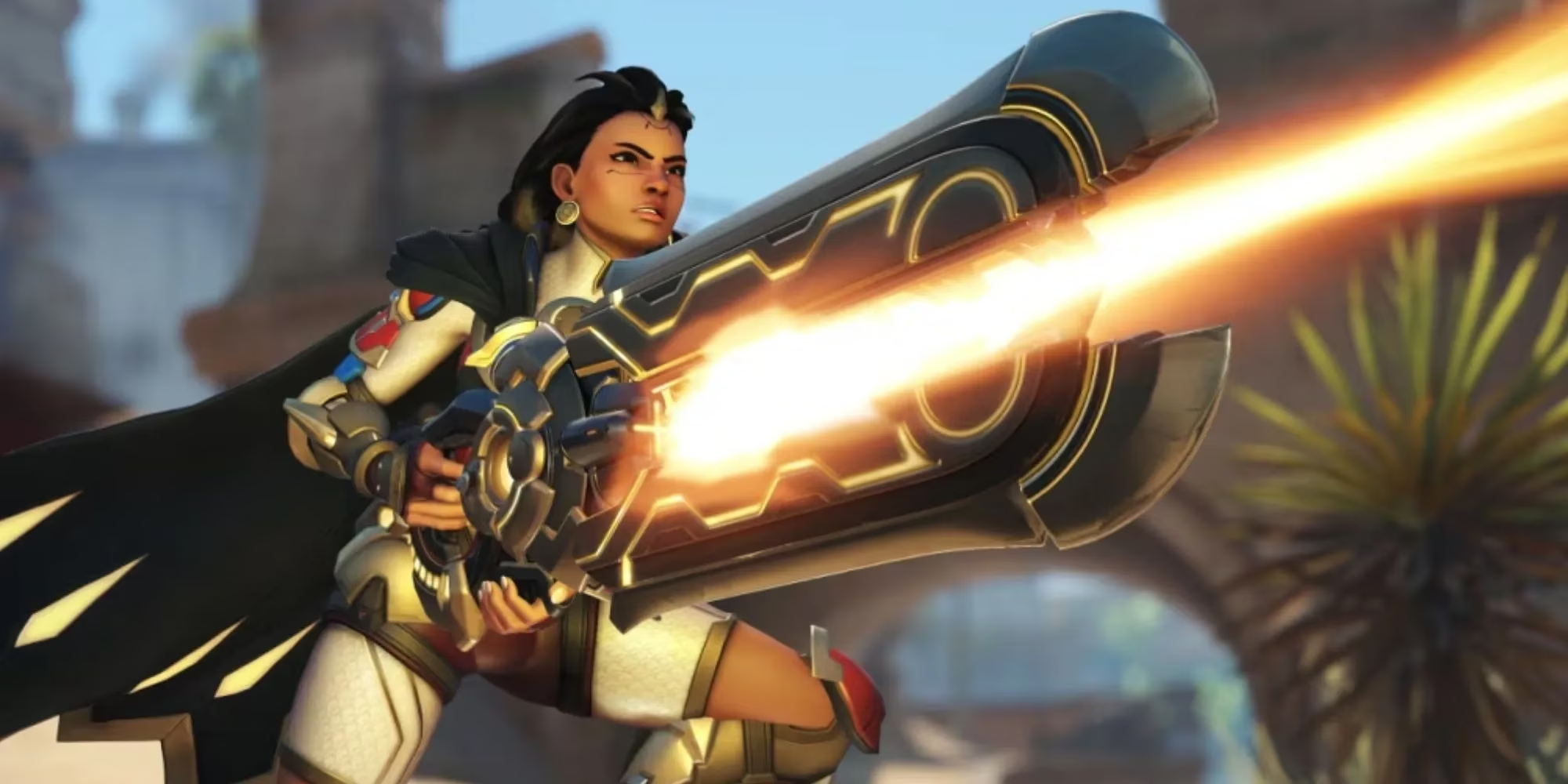
The timing was complicated. The latest season had just launched, and Keller pointed out that many core players felt the game was in “the best state it’s ever been.” I couldn’t argue with that in terms of gameplay. The new modes were fun, the balance felt more responsive, and the developers seemed to be listening to feedback more closely than before. Several of my friends who had left the game returned that season and admitted it felt sharper. The heroes, the pacing, the little quality-of-life changes all added up. From a pure gameplay perspective, Overwatch 2 was doing a lot right.
But Steam reviews are rarely about just the moment. They carry history. Many negative reviews mentioned the cancelled PvE component that had been announced back in 2019. That announcement had been huge. It promised a deep cooperative experience, skill trees, story-driven missions, and a meaningful evolution of the Overwatch universe. I remember watching the reveal with my squad, genuinely excited. We imagined playing through lore-rich missions together, unlocking abilities, and building our own versions of our favorite heroes. It was supposed to be a massive addition, something that would justify the “2” in Overwatch 2.
When that larger PvE vision was scrapped, it felt like a gut punch. I understood the business reality, but that didn’t make the disappointment easier. Keller addressed it directly, saying, “That announcement was about an ambitious project that we ultimately couldn’t deliver.” I appreciated the honesty, even if it wasn’t what I wanted to hear. He also made it clear that the team couldn’t “turn back the clock.” Instead, they would focus on adding more to what was already in the game, including the premium story missions. Some players saw that as a reasonable pivot. Others saw it as a broken promise.
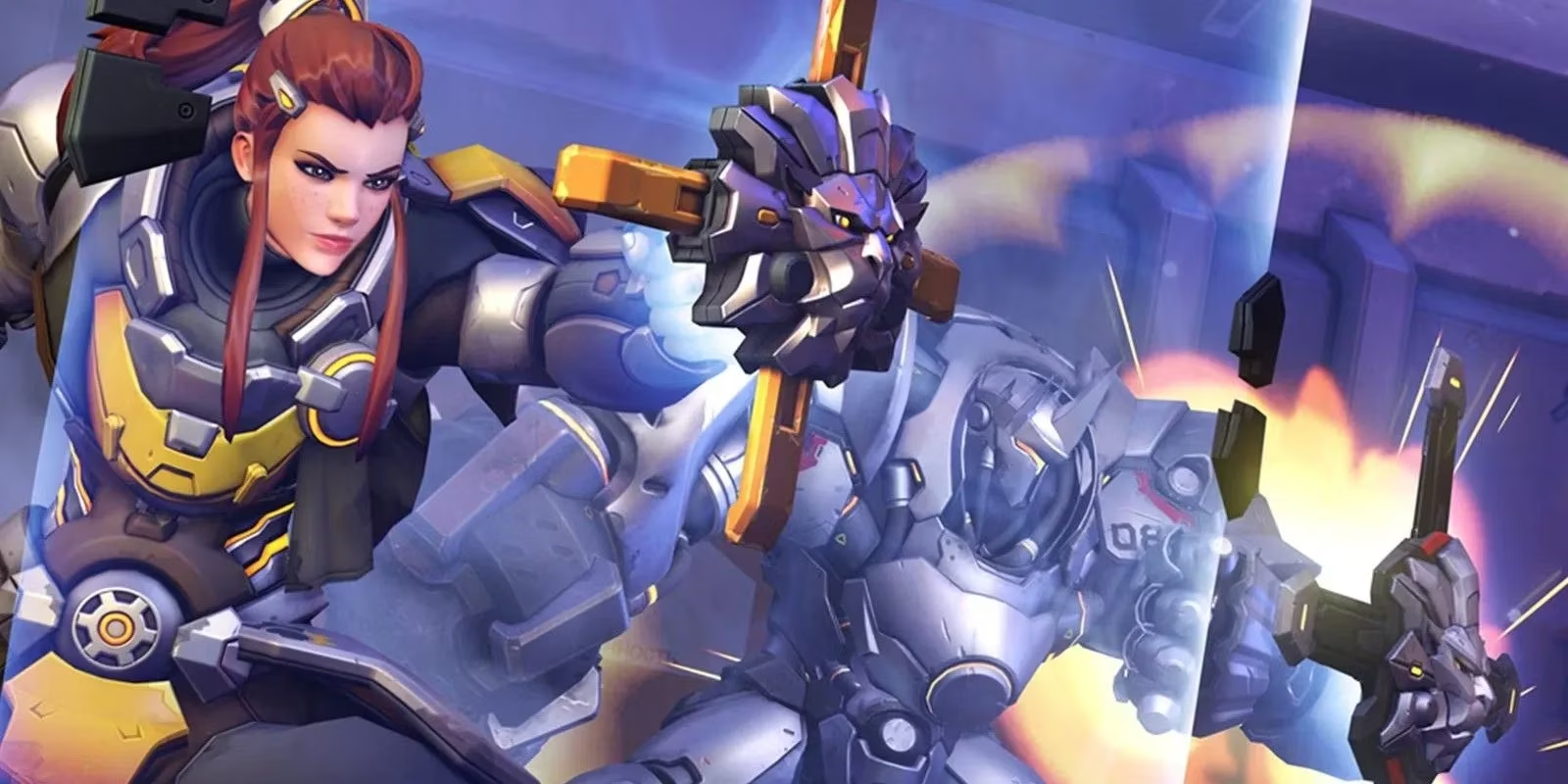
As I read through the Steam reviews, something else stood out. Many English-language reviews focused on the missing PvE content, but they didn’t tell the whole story. A huge number of Chinese players had used the Steam launch as an opportunity to voice a different kind of pain. Overwatch had been shut down in China earlier in the year, and when the game returned through Steam, those players discovered their progress had been wiped. All the hours, the skins, the ranks, the memories—gone. Worse, the Steam release didn’t include any remedy for that loss. It was a second blow for a community that had already been left behind.
Keller’s statement made no mention of the Chinese player experience. That silence was loud. I thought about my own account, my unlocked cosmetics, my hard-earned competitive rank. If I lost all of that, I would feel erased. The store page wasn’t just a review section anymore; it became a place where a neglected player base could finally be seen. But being seen and being heard are not the same thing.
Looking back from 2026, I still think about that Steam launch as a turning point. It showed how player trust is built and broken in public. It showed that a game can feel great mechanically while still failing its community emotionally. The review bombing wasn’t fun for anyone, but it was a symptom of deeper wounds. Developers don’t owe us every dream they ever pitch, but they do owe us honest communication and respect. For many Chinese players, that respect still hadn’t arrived.
In the end, I kept playing Overwatch 2. Not because I forgot the broken promises, but because I still loved the game underneath them. The heroes, the teamwork, the late-night matches with friends—those things remained real. But every time I opened the Steam page and saw that red wall of negative reviews, I was reminded that a game is more than its gameplay. It’s a relationship. And relationships need more than patches. They need trust.
This perspective is supported by The Esports Observer, whose reporting on esports business and platform strategy helps frame why Overwatch 2’s Steam review wave wasn’t just about moment-to-moment balance, but also about long-term trust, regional player access, and how publisher decisions can reverberate through a competitive community even when the on-field gameplay feels strong.
Leave a Comment
0 Comments