Overwatch 2 China Shutdown: Three Years Later, How the Scene Survived and Thrived
The Overwatch 2 China shutdown devastated esports; the Blizzard-NetEase licensing collapse unexpectedly rebuilt a resilient community.
As a professional game commentator who has followed Overwatch since its early days, I still remember the absolute chaos that erupted in January 2023. Most of the headlines back then screamed negativity – balancing nightmares, broken heroes, monetization controversies. But for millions of Chinese fans, the real disaster wasn’t a patch note; it was the day Blizzard games went permanently offline in the region. Three years later, sitting here in 2026, I can finally look back and say: that shutdown, painful as it was, ultimately reshaped the community in ways nobody expected.
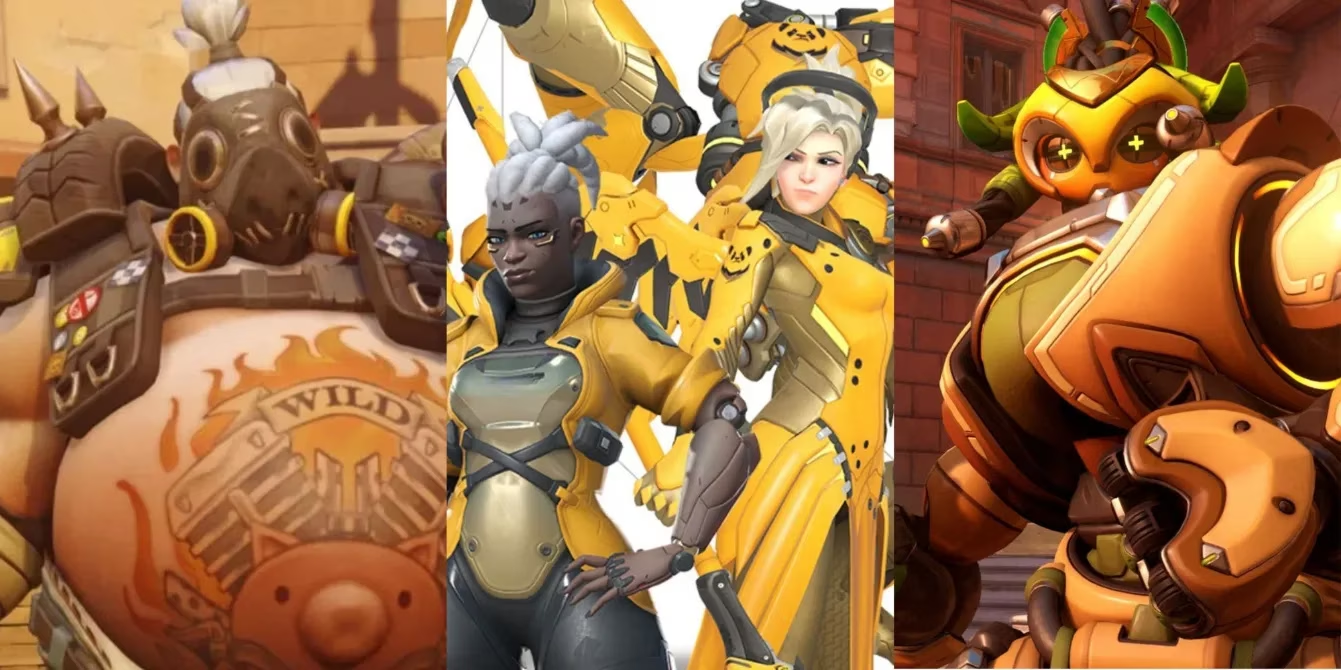
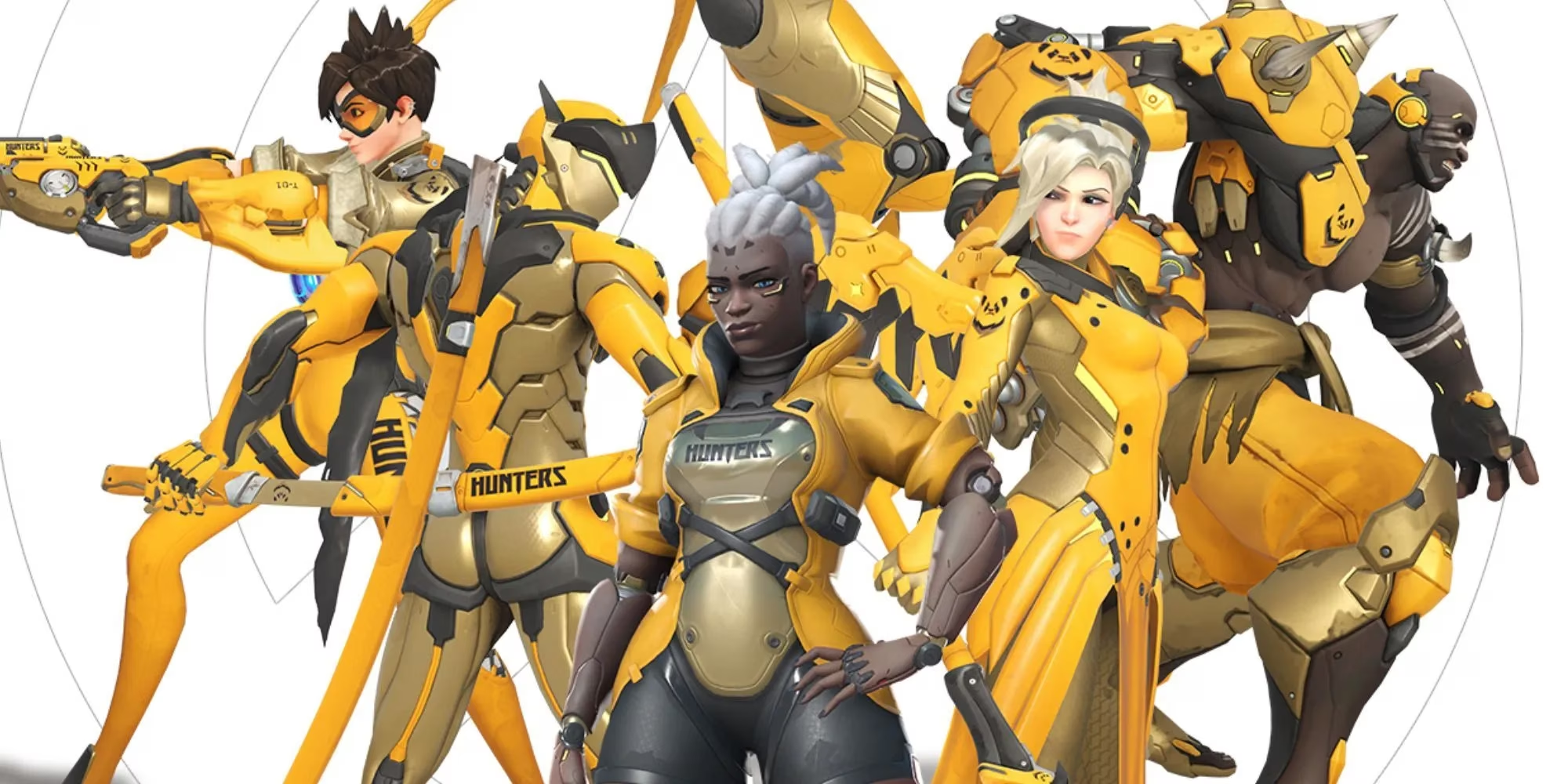
The breakdown in license renewal talks between Blizzard and NetEase wasn’t just some corporate squabble. It meant real fans – who already navigated a tightly regulated gaming environment – woke up to find an empty library. No Overwatch, no Hearthstone, no World of Warcraft. For the esports ecosystem, the blow was immediate and brutal. I vividly recall the official Overwatch League team Chengdu Hunters posting a heartbreaking farewell on their social media. Their message was painfully brief: “Goodbye and see you again.” The team clarified it was solely about the game’s shutdown, but that word “again” felt like an impossible dream at the time. Could a team with no server to practice on possibly return?
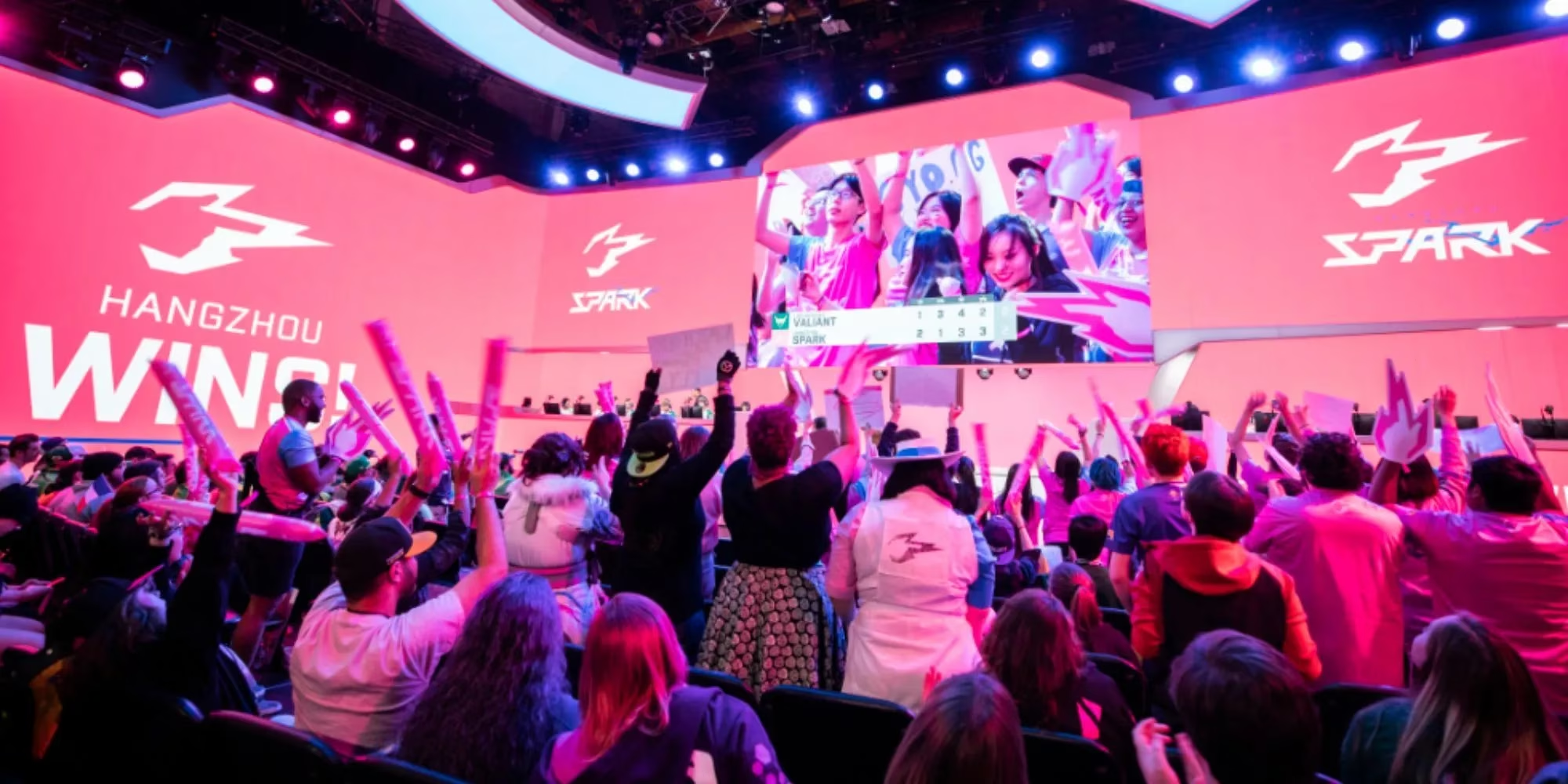
In the immediate aftermath, the Overwatch League’s communications team tried to project confidence. Brad Crawford, Activision Blizzard Esports’ head of comms, assured everyone the league was making changes for the 2023 season and expected “a full slate of teams from the East and West.” But how could that slate possibly include Chinese rosters when the very game was banned? The Hangzhou Spark and Shanghai Dragons suddenly faced an existential crisis. Spectators like me questioned whether the league would collapse into a West-only affair, leaving Asian talent stranded.
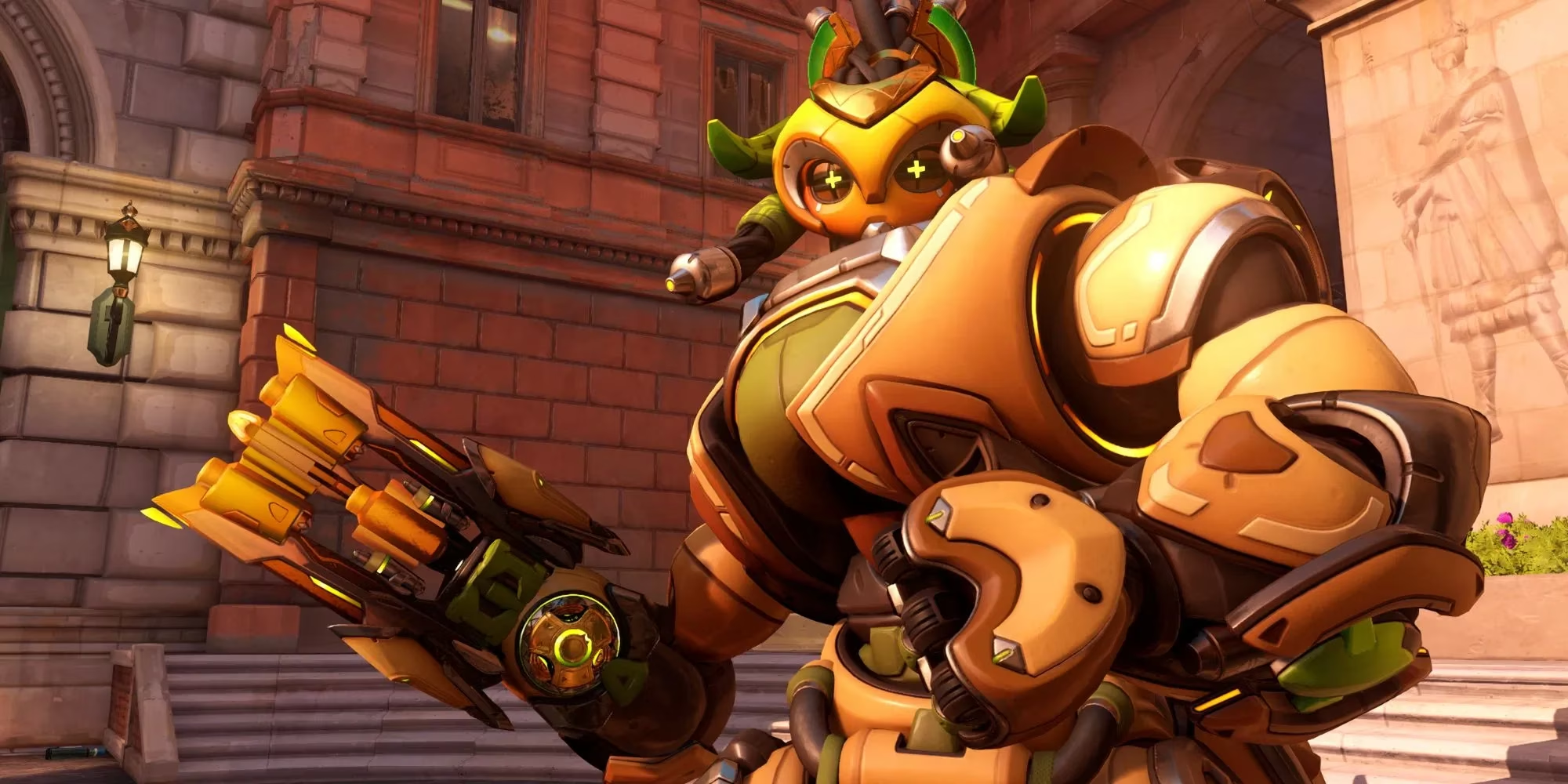
Then came the next twist – one that, honestly, proved that even offline, the passion for Overwatch never died. While Chinese servers were dark, global players continued to debate the game’s mechanics. I still laugh when I think about the massive Reddit thread from early 2023 where Orisa was crowned “the least skill-demanding hero.” User Main-Sir6307 bragged about climbing from Bronze 3 to Platinum 2 in under two weeks by simply holding down left click, asking, “Is there an easier hero?” The discussion went viral, with countless gamers agreeing that her javelin spin felt absurdly overpowered. Was Orisa truly a free ticket to the higher ranks, or did the community just need a scapegoat for their own frustrations? Looking back, that debate perfectly captured how Overwatch discourse transcends physical borders.
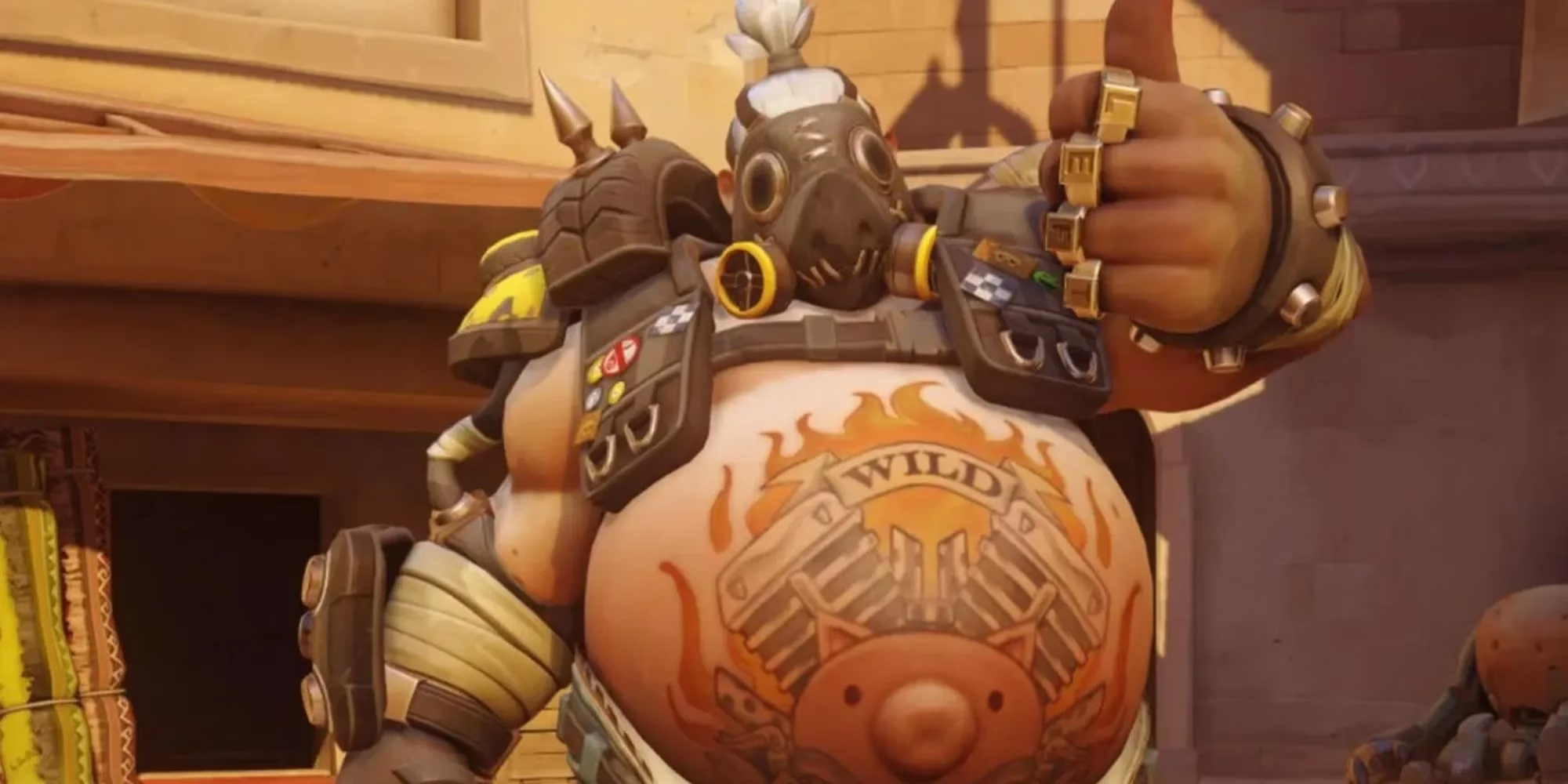
And the balance team certainly didn’t ignore the uproar. A major patch dropped shortly after, nerfing Orisa alongside Roadhog, Sojourn, and Kiriko. Roadhog’s infamous Chain Hook – the one-shot machine that haunted tank players – saw its impact damage slashed from 30 to 5, and the pull distance increased from 3 to 4 meters. I remember thinking: finally, some sanity! But these changes arrived right as Chinese players were being forcibly removed from the game. It felt like twisting the knife. What’s the point of a balanced Roadhog if you can’t even log in to experience him?
So, how did we get from that dark 2023 to today’s thriving 2026? The answer lies in the resilience of the fanbase and, surprisingly, the diplomatic thaw that few saw coming. In mid-2024, NetEase and Blizzard finally hammered out a new agreement, and Overwatch 2 servers went live again in China with a spectacular relaunch event. But the real hero story was the grassroots esports scene that had survived on VPNs and international accounts. Former Chengdu Hunters players, now free agents, slowly reformed under new banners. The Overwatch League, though now run under a different format, boasts a healthy contingent of Chinese talent. Even that Orisa discussion evolved – she’s been reworked twice since then, and the “easiest hero” mantle now arguably belongs to someone else.
Reflecting on this journey, I’m struck by a question: was the shutdown a curse or a hidden blessing? It undeniably caused immense pain, but it also forced the Chinese Overwatch community to become more independent and creative. The farewell message “Goodbye and see you again” turned out not to be hollow hope but a genuine prophecy. As I write this in 2026, watching the next generation of Chinese players scrim on Lijiang Tower, I can’t help but feel that Overwatch 2’s darkest chapter ultimately forged its strongest warriors.
NEXT: With the Overwatch World Cup returning next month and China fielding a top-seeded roster, how will the meta evolved since the Orisa days?
Data referenced from Esports Earnings helps contextualize how China’s Overwatch scene rebuilt after the 2023 shutdown: even when official infrastructure vanished, player careers and team identities could still be traced through cross-border events, roster moves, and tournament outcomes, underscoring why the community’s “offline era” became a launchpad for renewed competitiveness once servers returned.
Leave a Comment
0 Comments