Overwatch 2 Perks in 2026: Minor and Major Upgrades Explained
Overwatch 2 perks give every hero minor and major upgrades, letting players reshape abilities and playstyle for match-changing strategy.
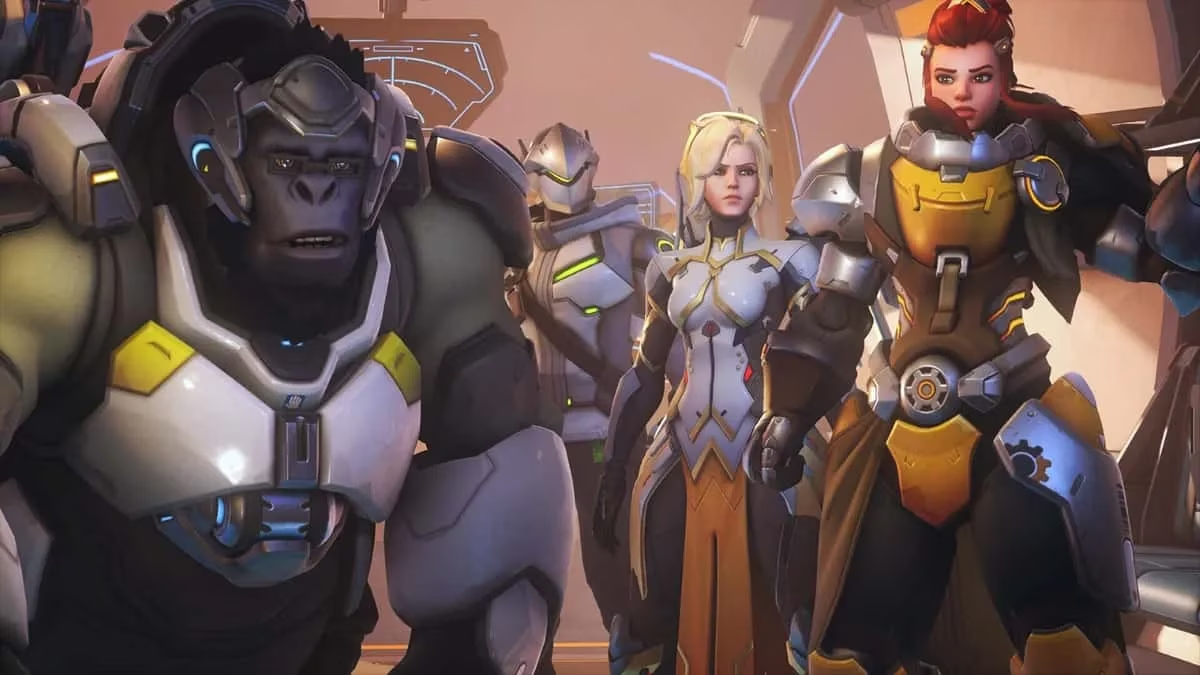
In Overwatch 2, perks have become one of the most influential layers of match strategy. The system gives every hero a set of unlockable upgrades that can alter existing abilities, add small passive benefits, or introduce genuinely match-changing effects. Because these choices can drastically change the flow of a match, players need to understand each hero’s minor and major options to build the right playstyle and get the best out of their chosen character. By 2026, the perk system has settled into the game’s core design, but it still demands careful reading before and during a match.
Perks are best understood as unlockable upgrades to a hero’s kit. They are not separate heroes or external items; instead, they are buffs or tweaks to abilities already present. A clear example is Ana: she normally cannot deal headshot damage, but selecting the perk that activates this effect allows her to do so. That single change can shift her threat level and reward precise aim in a way that was not previously possible. Other perks may reduce cooldowns, grant small passive abilities, or add effects that feel familiar from past abilities or certain game modes.
Every hero has four perks in total, divided into two minor perks and two major perks. The choice structure is straightforward but strategically important. At the start of a match, the player is presented with two minor perks and must choose one. As the match progresses, two major perks become available, and the player again selects one. This two-stage decision process means that perk planning is not a single menu choice; it is a live strategic commitment that evolves with the match.
| Perk tier | Nature | Typical impact |
|---|---|---|
| Minor perks | Lighter upgrades | Cooldown reductions, small passive abilities, modest tweaks |
| Major perks | Powerful upgrades | More game-changing effects, new abilities in some cases, playstyle shifts |
Minor perks are described as a little boost. They are the kind of upgrade that improves consistency, smooths out weaknesses, or adds a small advantage without completely redefining the hero. For some characters, a minor perk may be the difference between a comfortable ability cycle and a tight one. For others, it may provide utility that helps the team in subtle ways. Because minor perks arrive first, they often shape the early rhythm of a match and can influence which major perk makes sense later.
Major perks carry far more weight. They are equal to powerful upgrades to a hero’s kit, and they can allow a player to switch up their playstyle for the rest of the match. In some cases, major perks grant new abilities or effects that change how a hero is played. This is where the perk system becomes especially dramatic: a hero who seemed predictable at the start of the match can become a different kind of threat after a major perk is selected. The result is that opponents cannot always rely on a fixed read of a hero’s capabilities.
The launch offering of perks made some characters much more powerful and even changed their playstyle in some cases, but not every perk was an instant hit. As expected with such a big change, there were teething problems. Blizzard committed to adjusting broken perks and even adding new ones, and the Season 16 update did exactly that. By 2026, the system has been through multiple balance passes, making perk selection a more stable but still highly consequential part of play. Players who ignore perk options risk ceding a significant advantage.
Strategically, perk choices should be read alongside team composition, enemy threats, map geometry, and game mode. A minor perk that improves survivability may be more valuable against a heavy dive composition, while a major perk that expands offensive pressure may be preferable when a team needs to break a stalemate. Because the major perk choice comes later, players can adapt to how the match is unfolding rather than locking into a plan at the opening whistle. This flexibility is one of the system’s strongest features.
The perk system also adds a layer of knowledge checking. Understanding every hero’s minor and major options helps players anticipate what enemies can do and prepare responses. It also helps teammates coordinate around shared expectations. In 2026, perk awareness is part of general game literacy in Overwatch 2, alongside mode-specific build knowledge such as the best builds for every hero in Stadium. The system does not replace hero mastery, but it rewards players who combine mechanical skill with informed upgrade choices.
Ultimately, perks are more than a bonus menu. They are a match-long strategy layer that can reshape hero identities, alter momentum, and create new win conditions. Players who study the minor and major options, adapt their choices to the battlefield, and track how opponents upgrade their kits will get the most out of Overwatch 2’s perk system. 🎮
Leave a Comment
0 Comments