Overwatch 2's $40 Skin Drama: Lessons Learned & Future Changes
Overwatch 2's Diablo 4 crossover skins sparked a major controversy over monetization, prompting game director Aaron Keller to address the community's frustration and hint at future changes.
The launch of Overwatch 2's seventh season, Rise of Darkness, was supposed to be a spooky celebration, but it conjured up a storm of player frustration instead of festive spirits. The epicenter of the controversy? Two highly coveted Diablo 4 crossover skins—Lilith Moira and Inarius Pharah—were locked away, not as rewards for gameplay or even standalone purchases, but exclusively within the $40 Ultimate Battle Pass bundle. For many players, this felt like finding the legendary loot they'd been grinding for was actually behind a paywall thicker than a Reinhardt shield, accessible only through a single, premium transaction. The community's outcry was swift and loud, forcing the development team to directly address the issue in a recent communication.
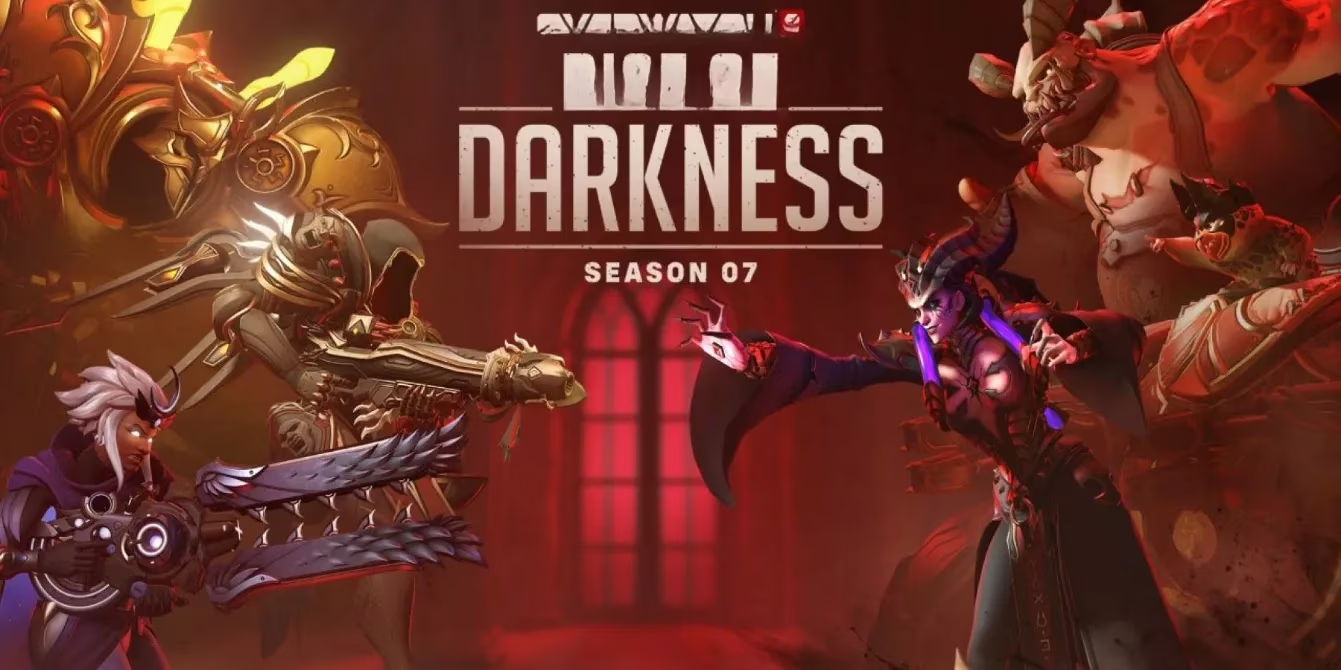
In his latest "Director's Take" blog post, game director Aaron Keller finally addressed the elephant—or perhaps, the demon—in the room. While stopping short of a formal apology, Keller acknowledged the community's anger. He confirmed what players had suspected: placing these top-tier skins in the high-priced bundle was an intentional design philosophy. "We do sell an Ultimate Battle Pass bundle every season with legendary skins in it and will continue to do so," Keller stated. However, he offered a crucial concession, marking a potential shift in strategy: "the lesson that we’re taking away from this moment is to make sure that we provide more ways to acquire some of our most popular skins." This admission suggests that future sought-after cosmetics, akin to the Lilith and Inarius skins, may have alternative acquisition paths, preventing a repeat of the Season 7 debacle.
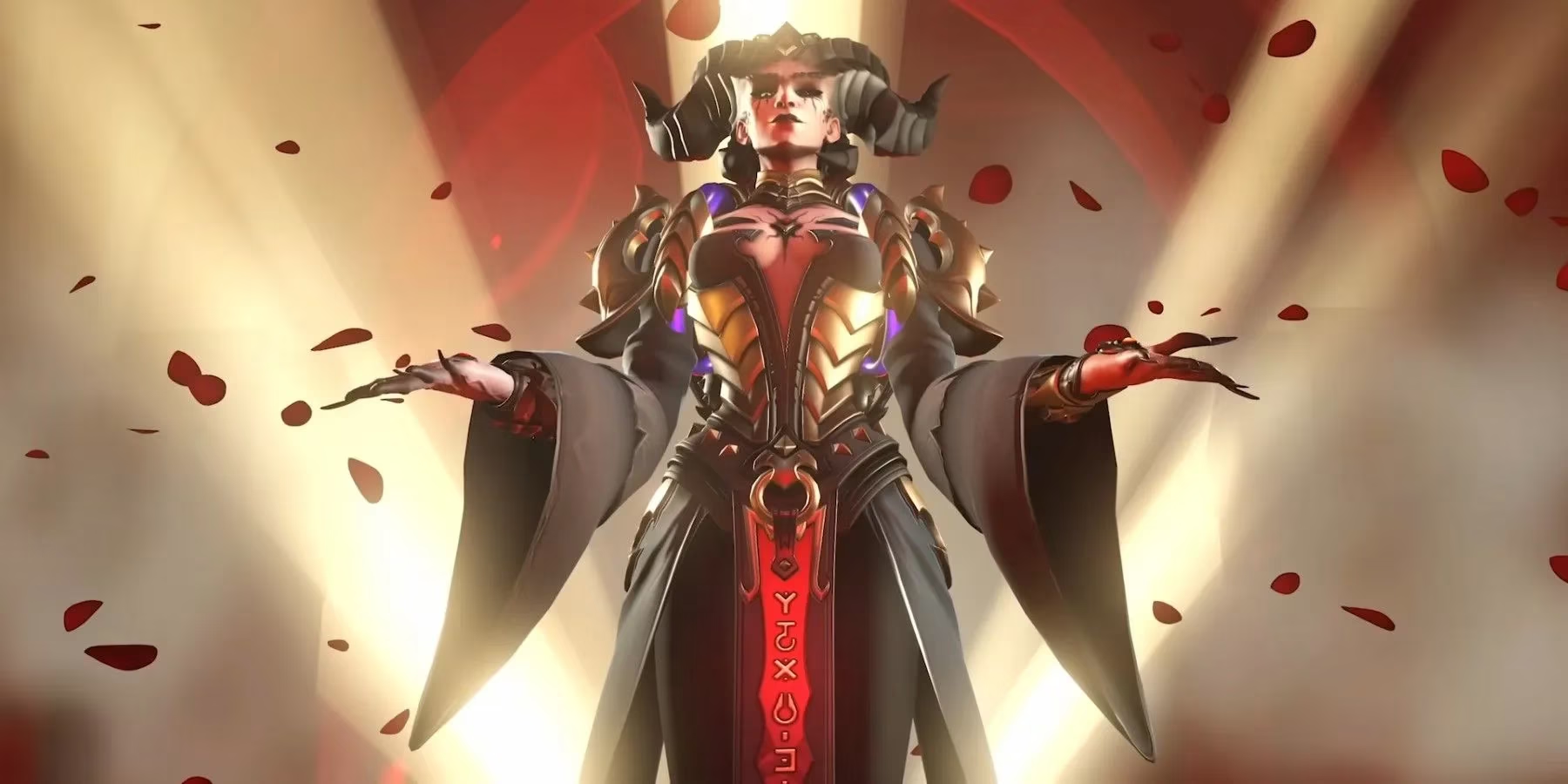
The situation had an interesting international twist, acting like a geographic loophole in the game's own monetization code. In countries like Brazil, where laws prohibit selling items exclusively within bundles, the Lilith Moira skin was available for individual purchase. This discrepancy highlighted that the all-or-nothing bundle approach was a choice, not a technical limitation. While the U.S. has no such consumer protection laws for digital goods, this global patchwork of regulations forced Blizzard's hand in some regions and may influence future decisions to avoid similar backlash elsewhere. It's a reminder that player outrage can sometimes be as effective as legislation in shaping corporate policy.
🔥 The Bigger Picture: Battle Pass & BlizzCon Teasers
Keller's blog post wasn't just about damage control on a single skin. He dropped significant hints about larger systemic changes coming to Overwatch 2's core progression system. He revealed that re-evaluating the Battle Pass is a "top priority" for the team, which has been developing a "new take" on it. Players can expect to hear concrete details about this overhaul early next year (2026). This suggests the entire economy of earning rewards might be in for a refresh, potentially moving away from the strict seasonal model that has drawn criticism since the game's launch.
Furthermore, with BlizzCon on the horizon (as of the original 2023 context, but looking ahead in our 2026 perspective), the team is gearing up for major reveals. The upcoming convention is expected to showcase:
-
A revamp of the competitive (ranked) play system.
-
The full reveal of the next new Tank hero.
-
More details on the long-awaited Roadhog rework.
The next developer blog is scheduled for two weeks after the convention, promising a deep dive into all these announcements. It seems the Lilith Moira controversy, while a painful stumble, has acted as a catalyst, shaking loose long-term plans for the game's structure that were perhaps already in the pipeline.
📈 What This Means for Players in 2026
Looking back from our 2026 vantage point, the Season 7 skin controversy can be seen as a pivotal learning moment for the Overwatch 2 team. The key takeaways for players are:
| Aspect | Then (Season 7) | Now (Post-Lesson) |
|---|---|---|
| Premium Skin Access | Locked in $40 bundle only. | Multiple acquisition paths promised for popular items. |
| Developer Communication | Reactive response to outrage. | Proactive philosophy stated for future content. |
| Battle Pass System | Static, seasonal model. | A "new take" under active development. |
| Player Agency | Limited; paywall or miss out. | Potentially increased with more options. |
While the Ultimate Battle Pass bundle with exclusive Legendary skins isn't going away—it's a significant revenue stream—the promise of "more ways" to earn top cosmetics is a direct result of player feedback. It shows that sustained, vocal criticism can lead to change, even in the complex world of live-service game economics. The incident serves as a case study in community management: ignoring player sentiment is like trying to play support without healing your team—eventually, everything falls apart.
The future of Overwatch 2's cosmetic ecosystem appears to be leaning towards greater flexibility. Whether this means popular skins will later be sold individually, added to a legacy shop, or made earnable through challenging in-game events remains to be seen. But the commitment to avoid another Lilith Moira scenario is now part of the official record. For players, the hope is that the most coveted future skins—whether they're crossovers with other Blizzard franchises or original masterpieces—won't feel like treasures hidden behind a single, expensive door, but as rewards that can be pursued through various avenues of play and commitment. Only the upcoming seasons and the promised Battle Pass evolution will tell if these lessons were truly learned or if this was merely a temporary appeasement. One thing's for sure: the community will be watching, ready to voice its opinion again if needed. 🎮👀
Leave a Comment
0 Comments