Overwatch 2's Latest Balance Patch: A Major Nerf to Support Heroes Reshapes the Meta
Overwatch 2 balance patch delivers sweeping Support nerfs and Tank buffs, reshaping the competitive meta with impactful hero changes.
Following the conclusion of the Halloween festivities, the Overwatch 2 community has swiftly turned its attention to a substantial new wave of balance adjustments. While a major crossover event has captured headlines with its limited-time modes and cosmetic offerings, the underlying hero changes represent a seismic shift for the game's competitive landscape. This latest patch, focused heavily on recalibrating the power dynamic between roles, has sparked widespread discussion about the future direction of the popular shooter.
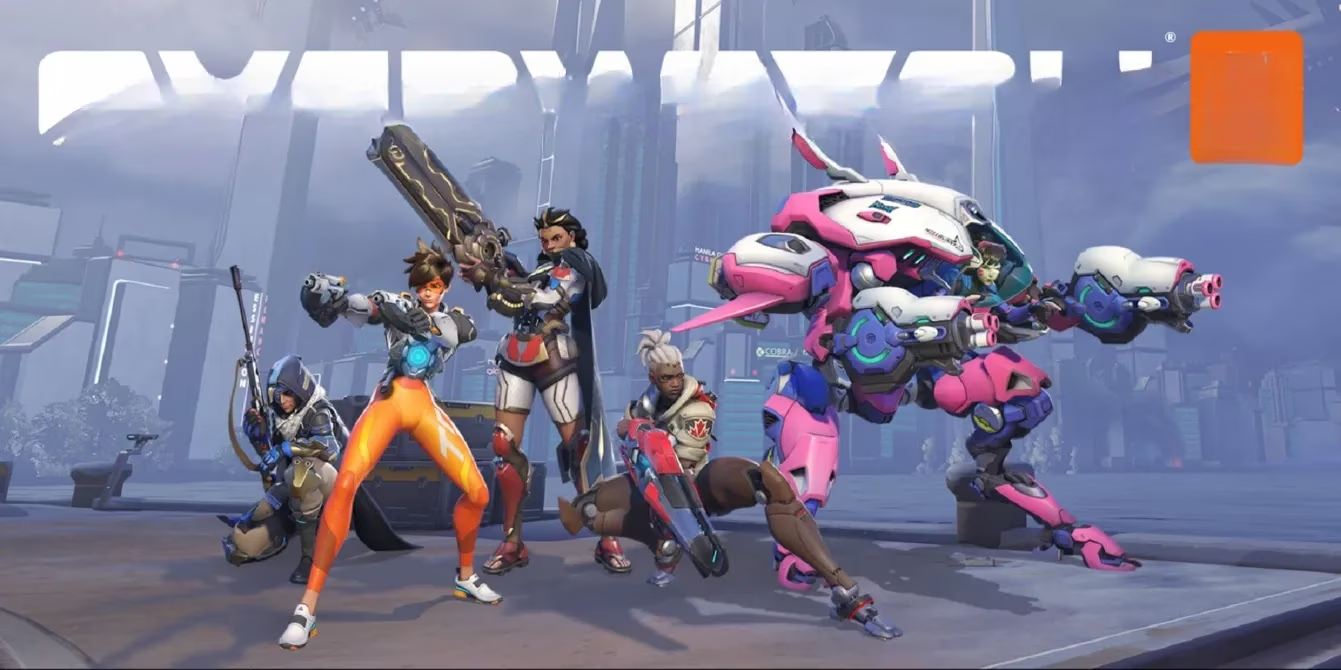
The comprehensive balancing act targets heroes across all three primary classes—Tank, Damage, and Support—but its intent is unmistakable: to significantly reduce the overwhelming influence of Support heroes while simultaneously bolstering the potency of Tanks. This rebalancing initiative addresses a long-standing community critique regarding the perceived dominance of the Support role in recent metas. For months, players, particularly those in high-level competitive play, have argued that the resilience and utility provided by Supports have made Tanks feel comparatively underpowered and vulnerable.
The Support Nerf Wave: A Detailed Breakdown
The patch notes deliver a sweeping series of nerfs impacting a majority of the Support roster. Blizzard's concerted effort to "dampen the role's power" is evident in the following adjustments:
-
Ana: Biotic Grenade cooldown increased from 10 seconds to 12 seconds. This reduces the frequency of her powerful anti-heal and burst heal effect.
-
Baptiste: Immortality Field's health pool decreased from 150 to 125, and its cooldown increased from 23 to 25 seconds, making the lifesaving device more fragile and less readily available.
-
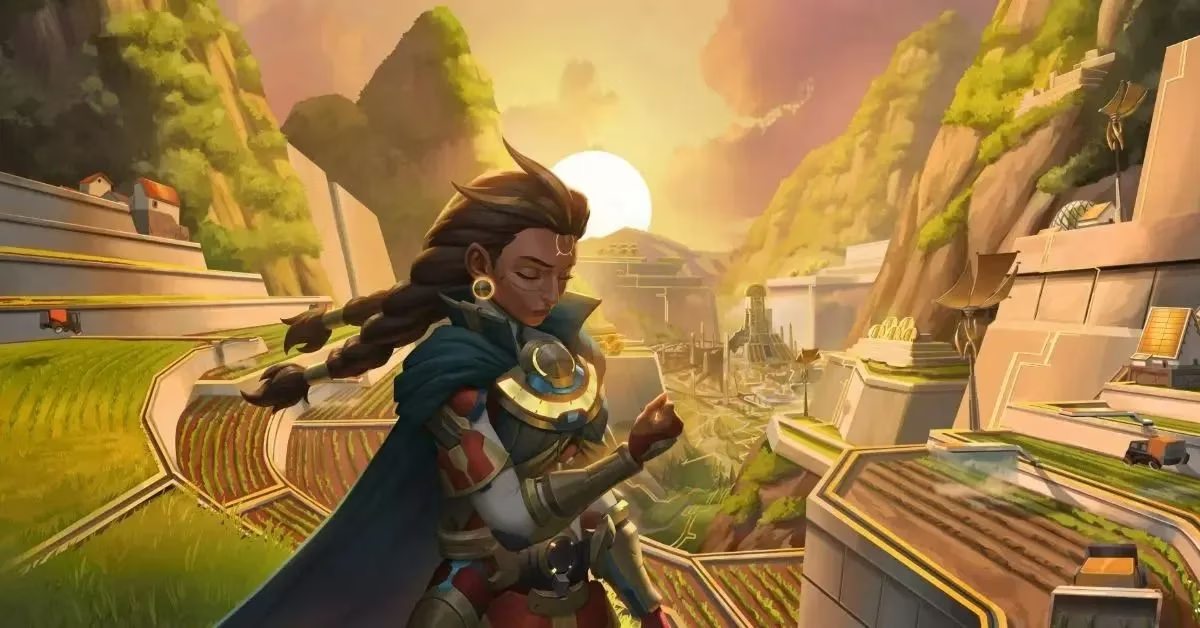
Illari: Her primary fire projectile size has been halved, demanding greater precision. Additionally, her Healing Pylon's health has been reduced from 125 to 100, making it easier for opponents to destroy.
-
Kiriko: The cooldown for Protection Suzu, a powerful cleanse and invulnerability tool, has been increased from 14 to 15 seconds.
-
Lifeweaver: Healing Blossom ammo reduced from 20 to 16, and its maximum heal per blossom lowered from 75 to 70. His Life Grip cooldown has also been increased significantly, from 16 to 19 seconds.
-
Zenyatta: A crucial change to Orb of Discord now prevents it from being re-applied to the same target for 7 seconds after it wears off, reducing the potential for relentless focus fire.
High-Level vs. Casual Play: A Divisive Outcome
For the upper echelons of competitive play, these modifications are largely seen as a positive and necessary step. In these high-stakes environments, the overpowered state of Supports was most glaring, often dictating the pace and outcome of matches. Tank players, in particular, felt the strain of battling through immense sustain and utility. By nerfing key abilities across the board, the developers aim to create a "more level playing field" where tactical skill and positioning are paramount, potentially leading to a more dynamic and balanced high-end competitive experience.
However, this broad-strokes approach reveals a persistent and significant challenge for Overwatch 2. At lower skill levels and in more casual play, the "broken" state of Supports was far less pronounced. For many players in these brackets, the role did not feel overwhelmingly dominant. Consequently, the sweeping nerfs have left a portion of the community confused and concerned. The changes risk making Support heroes feel underwhelming and less enjoyable to play for those who may not have been utilizing their kits at peak efficiency in the first place. This highlights the core dilemma: balancing a game for its professional and top-tier players often comes at the cost of the experience for its larger, more casual audience.
The Path Forward: Tailored Solutions?
This situation underscores a recurring theme in Overwatch 2's development history. The game's high skill ceiling naturally creates disparate experiences across its player base. Changes implemented to solve problems at one level can inadvertently create new ones at another. The current Support nerfs, while logical for high-level play, could easily "ruin Support play at lower rankings."
In response, a growing segment of the community has revived calls for a more nuanced approach to game balance. Many advocates suggest implementing rank-specific or skill-tier-tailored balance changes. This would allow adjustments to be fine-tuned for different matchmaking brackets—nerfing a hero's capabilities in Grandmaster while leaving them relatively untouched in Gold, for example. While implementing such a system presents undeniable technical and design complexities, proponents argue it is the "only surefire way" to mitigate the significant downsides that often accompany broad balance patches. Without such measures, each major update risks alienating a segment of the player population, whether they are competitive veterans or weekend warriors.
As 2026 progresses, the impact of this substantial balance patch will continue to be analyzed. It represents a bold attempt to reshape the Overwatch 2 meta by directly addressing role power disparity. Yet, it also serves as a stark reminder of the delicate tightrope developers must walk in a game with such a vast and varied player base. The community's reaction and the subsequent evolution of the in-game meta will likely influence Blizzard's balancing philosophy for years to come, potentially determining whether unified changes or tailored adjustments become the standard for the evolving world of Overwatch 2.
Leave a Comment
0 Comments