Overwatch 2’s Positioning Obsession Still Hurts Three Years Later
Overwatch 2's Lifeweaver Life Grip and broken matchmaking still fuel frustration in 2026, as mismatched ranks and toxic teams persist.
In 2026, anyone still booting up Overwatch 2 might notice that some complaints never get old. The player who queued into competitive back in 2023 was already exasperated by mismatched ranks and a barrage of cosmetic ads. Fast-forward three years, and that same weary soul is still wondering why Blizzard seems to be tuning a different game than the one living on their hard drive.
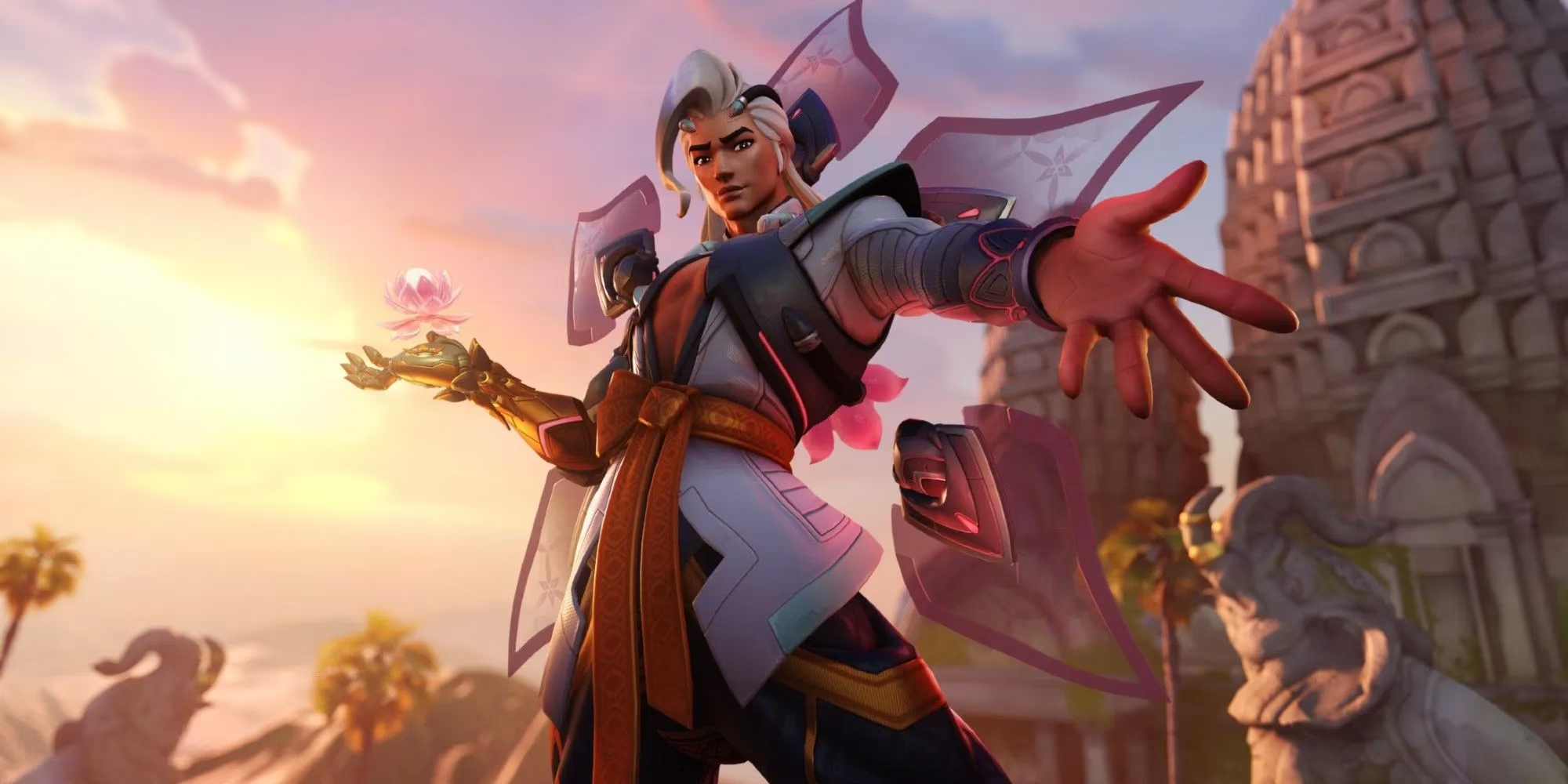
Take Lifeweaver, for example. When the ethereal support dropped in early 2023, his whole design screamed “positioning is everything.” His signature Life Grip could yank an overextended ally back to safety, a move that promised to teach the entire roster the value of standing in the right place. The community’s reaction was a mix of cautious optimism and immediate trolling. Support players saw the potential for benevolent saves; DPS players foresaw a new way to be forcibly dragged out of a perfectly acceptable flank.
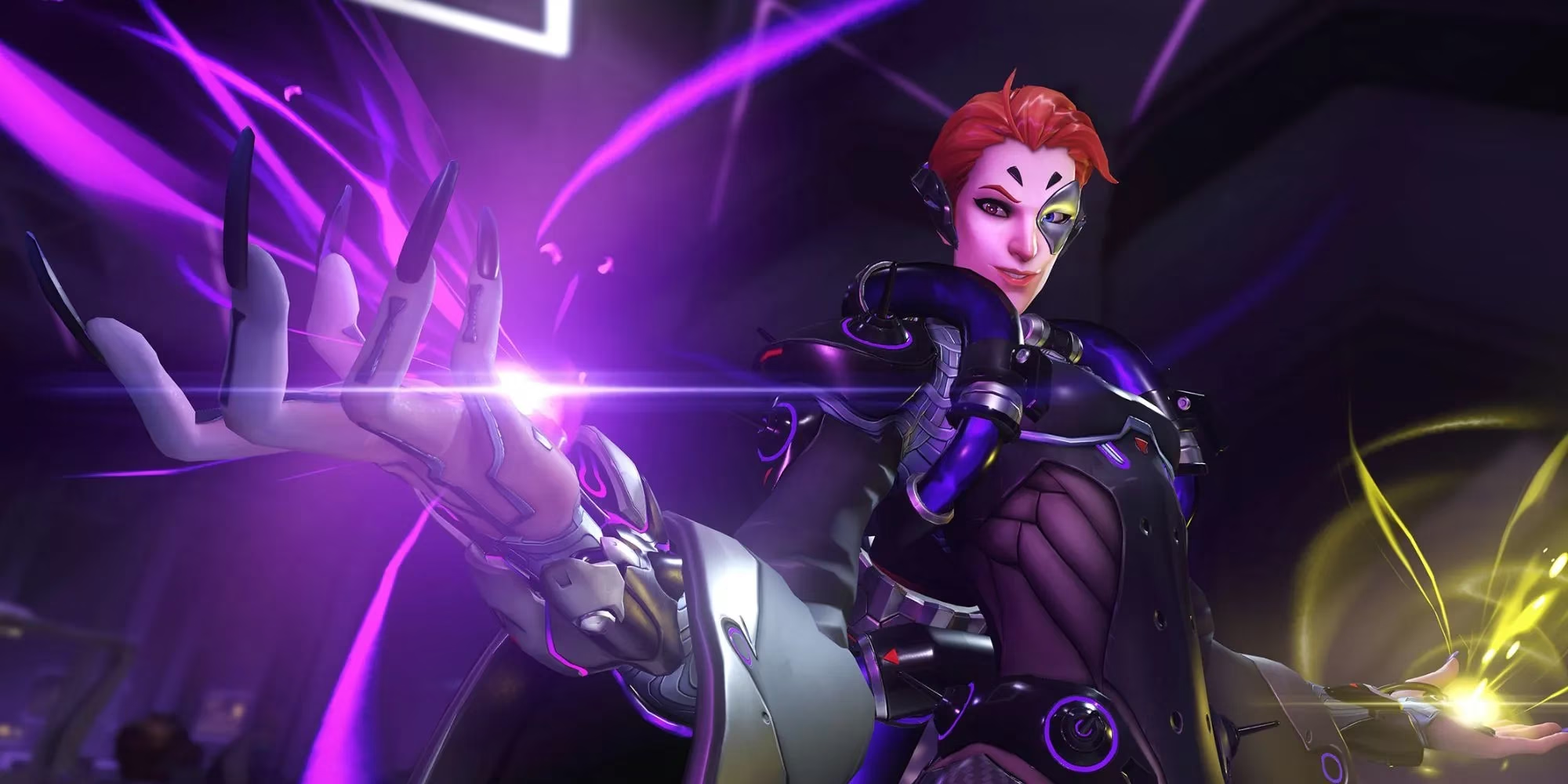
Blizzard’s problem was never the hero concept. It was the quiet assumption that everyone already understood what good positioning meant. Since the shift to 5v5, Overwatch 2 had been nudging its roster toward chaos. Sombra’s teleporter acted as a permanent reset button, letting her engage and vanish with next to no risk. Moira, whose healing orb could recharge her primary resource by doing damage, no longer needed to weigh the danger of stepping into enemy sightlines. Both of them ended up receiving buffs in that same era—changes nobody asked for, on heroes that were already comfortably slippery.
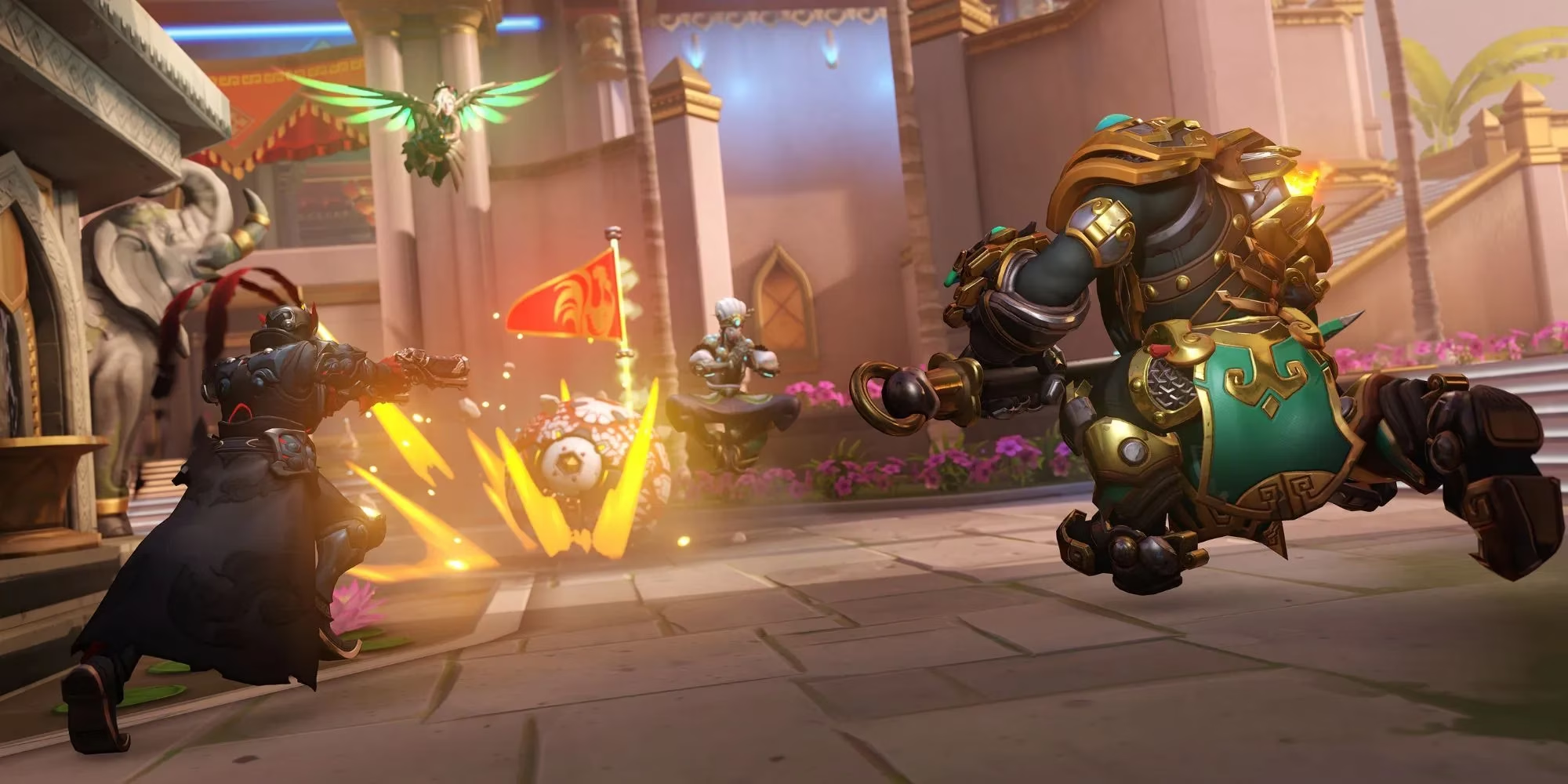
The coaching that new players desperately needed never materialized. Instead, the game tossed Lifeweaver into a pool where positioning was a forgotten art, then asked everyone to trust a stranger’s judgment about where they belong. Support mains, often convinced they already had the best view of the battlefield, would pull their flanking Reaper back not because it was smart, but because they could. The lack of shared understanding turned Life Grip into a source of resentment, and it still does.
Of course, none of this would sting so much if the competitive ladder functioned properly. In 2023, a Gold support could find themselves matched with a Grandmaster tank and be expected to know what’s best for them. That scenario hasn’t aged into a fairy tale. The player base has continued to shrink from its launch-day explosion, which forces the matchmaker to reach across wider skill gaps just to fill a lobby. By 2026, Diamond players rub shoulders with Top 500 one-tricks more often than anyone cares to admit. The result is a feedback loop of frustration: mismatched games produce toxic chat, which drives away more casual participants, which only makes the matchmaking pool smaller.
Amid that backdrop, balancing decisions still manage to raise eyebrows. Sombra, a hero designed to frustrate, has collected even more tools to silence ultimates over the years. Ana’s sleep dart—once the high-skill check against rampaging tanks—has been tweaked and re-tweaked until it barely resembles its original purpose. And why should a player care about those changes when the storefront is what truly gets polished? Seasonal events now arrive with a louder fanfare of $20 skins than any meaningful quality-of-life update. Every login feels like walking through a shopping mall where the matches are just a mild inconvenience.
It’s easy to roll one’s eyes at the doom-and-gloom crowd. Live-service games are bound to have awkward weeks where Brigitte suddenly gets her shield bash back, or Moira loses a bit of mobility in her ultimate for reasons nobody quite understands. But the accumulated weight of questionable decisions has a habit of bending even the most patient players. The first Overwatch ended on a whimper, ground down by a parade of bad calls until the foundation could no longer hold. Overwatch 2 started on steadier footing by cutting a tank and speeding up the action, yet the follow-through has been a slow-motion erosion.
By now, the long-promised PvE story mode has turned into a cautionary tale of its own. After years of staggered releases, the chapters that did arrive landed with a shrug. The audience that had been begging for lore was either gone or too busy grinding battle passes to care. What remains is a competitive shooter that still hasn’t solved its fundamental identity crisis. Casual players don’t want a constant reminder of all the loot they’ll never own, and serious competitors don’t want to guide bronze-tier allies through a match that was decided before the doors opened.
The newest round of patch notes in 2026 doesn’t inspire confidence. There is the usual shuffle of cooldown timers and damage numbers, but nowhere does Blizzard address the feeling that the game is held together by monetization tape. Lifeweaver’s positioning fantasy remains a symbol of that disconnect. Three years on, a hero who was supposed to teach teamwork still relies on something the game never properly taught. The pillar of good positioning is still missing, and until Blizzard decides to build it, Overwatch 2 will keep asking its players to build it—and watch it crumble.
Leave a Comment
0 Comments