The Nostalgic Chaos: My Journey Through Overwatch Classic and How It Made Me Appreciate Overwatch 2
Overwatch Classic mode in Season 13 delivers nostalgic chaos and hero shooter thrills, highlighting dramatic gameplay evolution since 2016.
As I booted up the limited-time Overwatch Classic mode in Season 13, a wave of pure, unadulterated nostalgia hit me. The familiar chime, the old user interface, and the promise of playing the game as it was in 2016—it was like stepping into a time machine. I was instantly transported back to my early days as a wide-eyed Genji main, desperately trying to master his shuriken throws on the iconic streets of Hanamura. But as the initial excitement settled, something surprising happened. I began to notice the rough edges, the clunky mechanics, and the sheer chaos I had once accepted as the norm. This wasn't just a trip down memory lane; it was a masterclass in appreciating how far our beloved hero shooter has truly come.
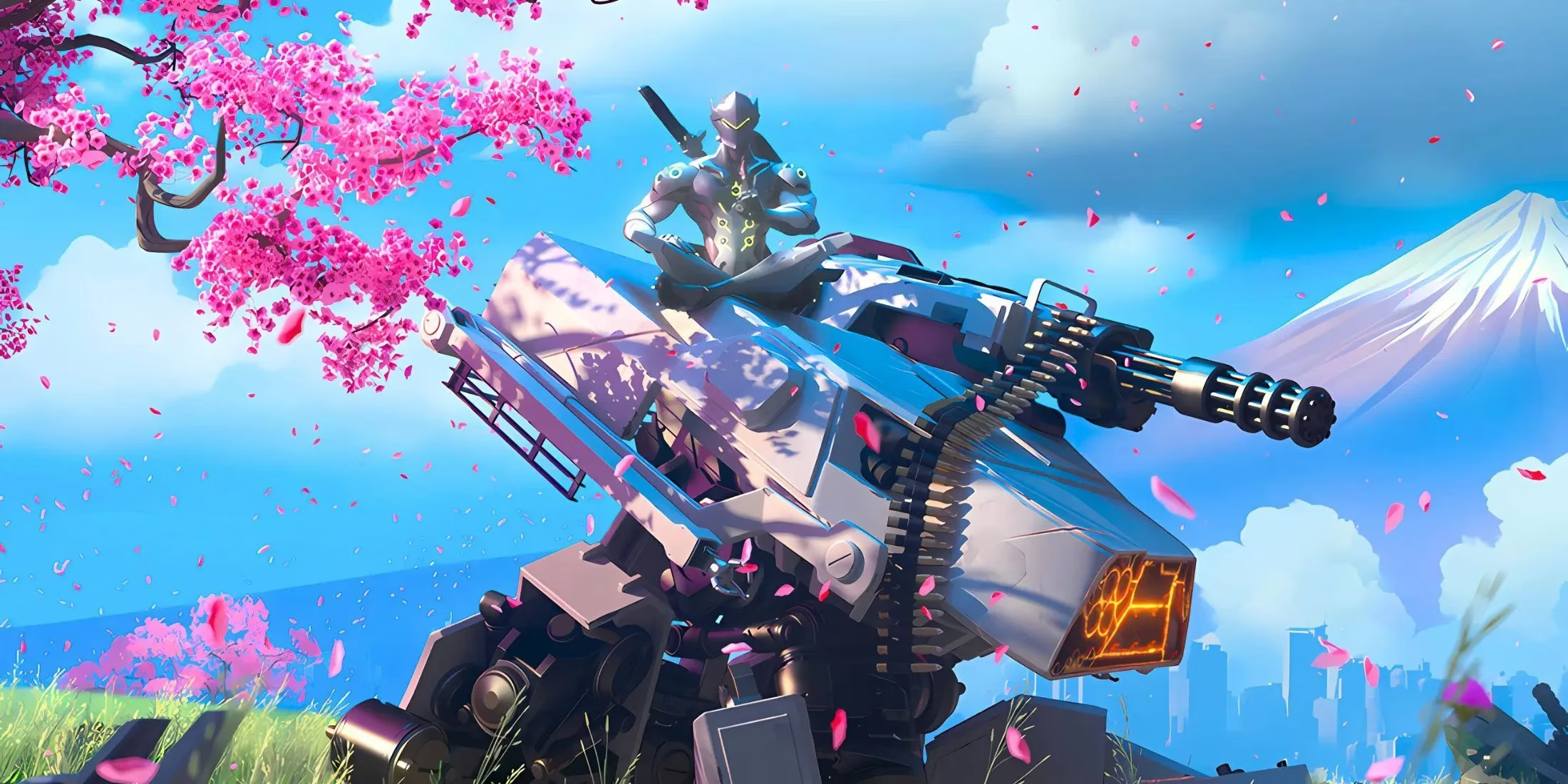
Let's talk about the pure, unregulated chaos. Remember the frantic scramble at the hero select screen? Without the guiding structure of Role Queue, matches often descended into glorious anarchy. I witnessed—and, I'll admit, participated in—compositions that would give any modern Overwatch 2 player a heart attack. Six Winstons bouncing around the point? Check. Triple Tank, Triple Support 'Goats' comps steamrolling everything in their path? Absolutely. While these moments were undeniably fun and hilarious, they also highlighted a fundamental lack of balance. Was this chaotic freedom truly better, or did it often lead to frustrating, one-sided matches where one team's quirky strategy completely overwhelmed the other?
The gameplay itself felt... restrictive. Jumping back on my main, Genji, I immediately felt the difference. But it was the supports that really drove the point home. Playing Lucio felt like trying to skate on sandpaper compared to his buttery-smooth wall rides in Overwatch 2. And Mercy? Oh, Mercy. Her mobility was so limited. I found myself yearning for her Guardian Angel slingshot mechanics, feeling utterly grounded and vulnerable. Then there was Cassidy (back when he was McCree, of course). Trying to dodge an ultimate without the ability to roll in mid-air was a harsh reminder of how many quality-of-life improvements we now take for granted. These heroes, once my favorites, now felt like they were moving through molasses.
And the abilities! My goodness, some of them feel almost mythical by today's standards. I picked up Hanzo, and the sheer, terrifying power of Scatter Arrow came rushing back. Watching a single arrow split into a deadly, ricocheting storm that could one-shot a tank from full health felt absurd. The randomness was thrilling but deeply unfair. Then, I switched to Mercy. The pressure of hiding, waiting for the perfect moment to swoop in and hit that game-changing mass Resurrection ultimate was immense. But was it healthy for the game? Should a single player's decision to avoid a team fight entirely be rewarded with such a powerful swing? Playing with it again sparked the old debates in my mind, but with a new perspective: Overwatch 2's single-target Valkyrie resurrection promotes active, in-the-fight gameplay, and that's ultimately better.
The maps were another story. Seeing Temple of Anubis, Hanamura, and Volskaya Industries again was a visual treat. They are stunning, timeless designs. But playing the Assault (2CP) mode on them... ah, the memories came flooding back, and not all of them were good. Remember attacking Point B on Hanamura? The enemy spawn was practically on top of the objective! It created these agonizing, drawn-out stalemates that could last for minutes. While newer modes like Push and Flashpoint have their critics, their design avoids that specific, soul-crushing frustration. Revisiting these beautiful maps was a joy, but it also reminded me why they were retired from the core competitive rotation.
Let's break down some of the most jarring differences I experienced side-by-side:
| Hero / Feature | Overwatch Classic (2016 Feel) | Overwatch 2 (2025 Standard) | My Verdict |
|---|---|---|---|
| Role Structure | No Role Queue. Pure chaos & creativity (6 Winstons!). | Enforced 1 Tank, 2 Damage, 2 Support. Structured & balanced. | Overwatch 2 wins. The chaos was fun, but balance is better for competitive integrity. |
| Mercy's Ultimate | Mass Resurrection (Hide and Rez). | Valkyrie (Single-target rez during transformation). | Overwatch 2 wins. Encourages active play, not passive hiding. |
| Hanzo's Alternate Fire | Scatter Arrow (RNG one-shot machine). | Storm Arrows (Controlled burst damage). | Overwatch 2 wins. Skill should trump random ricochets. |
| Torbjörn's Turret | Required manual hammer upgrades to Level 2. | Deploys at full power automatically. | Overwatch 2 wins. Streamlines his gameplay and reduces downtime. |
| Symmetra's Role | Support (with shield generators and teleporters). | Damage (focused on beam weapon and turrets). | Overwatch 2 wins. Her kit fits the damage role perfectly now. |
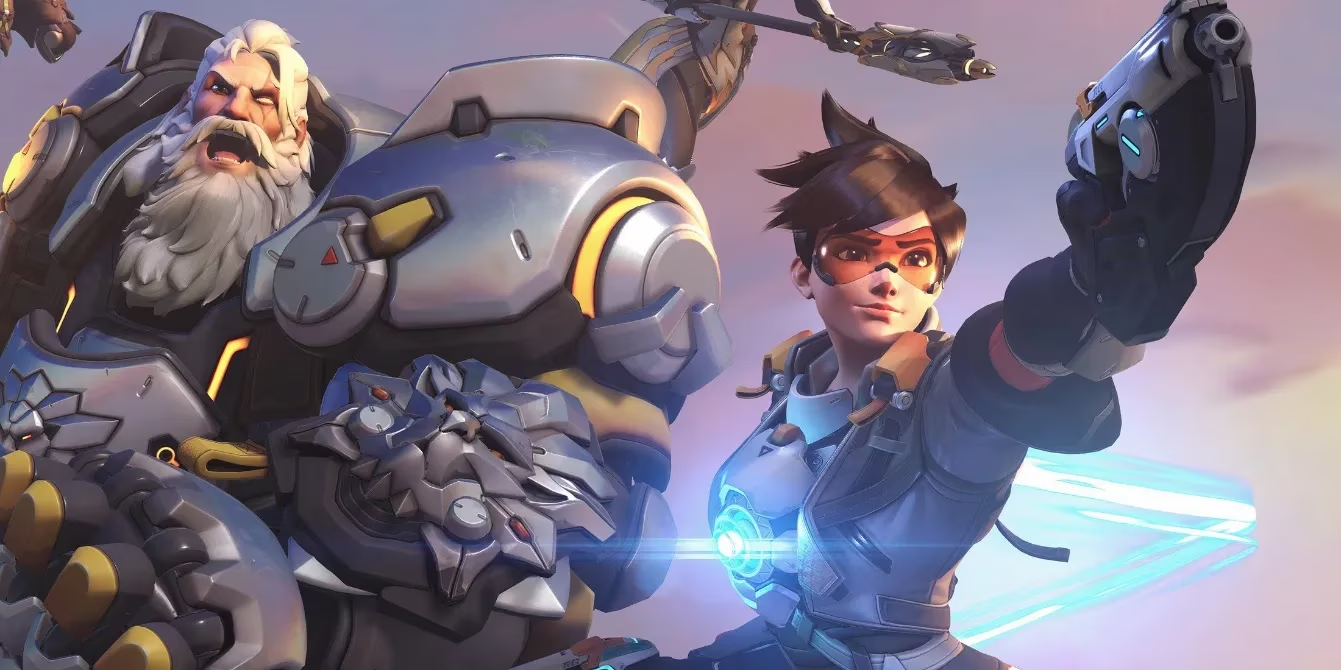
This journey through the past was more than just a nostalgic event. It was a revelation. It made me consciously appreciate the polished experience Overwatch 2 provides today. The enhanced UI that gives clearer information, the smoother and more dynamic hero movements, the role-based structure that creates fairer matches—these aren't just minor tweaks. They are the result of nearly a decade of learning, iteration, and listening to the community.
Yes, Overwatch 2 has had its own rocky path—remember the early dominance of Sojourn, or the Mauga meta that shook the game? We've had controversies, like the scaled-back PvE plans. But stepping back into 2016's chaos has given me a new frame of reference. The core game we play in 2025 is faster, more balanced, and far more polished. Overwatch Classic is a wonderful, chaotic museum piece—a thrilling reminder of where we started. But for my money, I'll take the refined, team-focused, and balanced experience of Overwatch 2 any day. It's not just a sequel; it's the evolution of a masterpiece.
Leave a Comment
0 Comments