The Overwatch League Is Gone, But Its Dream Lives On
Overwatch League's closure marks a dramatic shift as Activision evolves competitive Overwatch, ending the ambitious city-based esports era.
Man, talk about a gut punch. As a long-time player, hearing the official word that the Overwatch League, in the form we knew it, is over... it hit different. Activision confirmed it's "transitioning from the Overwatch League and evolving competitive Overwatch in a new direction." Translation? The ambitious, globe-trotting, city-based league we poured our hearts into for years is done. Kaput. Let's be real, the writing was on the wall for a while, but damn, it still stings. I remember the hype back in 2016 when this thing was announced. They were swinging for the fences, aiming to create the biggest esport the world had ever seen, with franchises costing up to $20 million a pop. It was a bold, crazy vision. And for a hot minute, it felt like it could actually work.
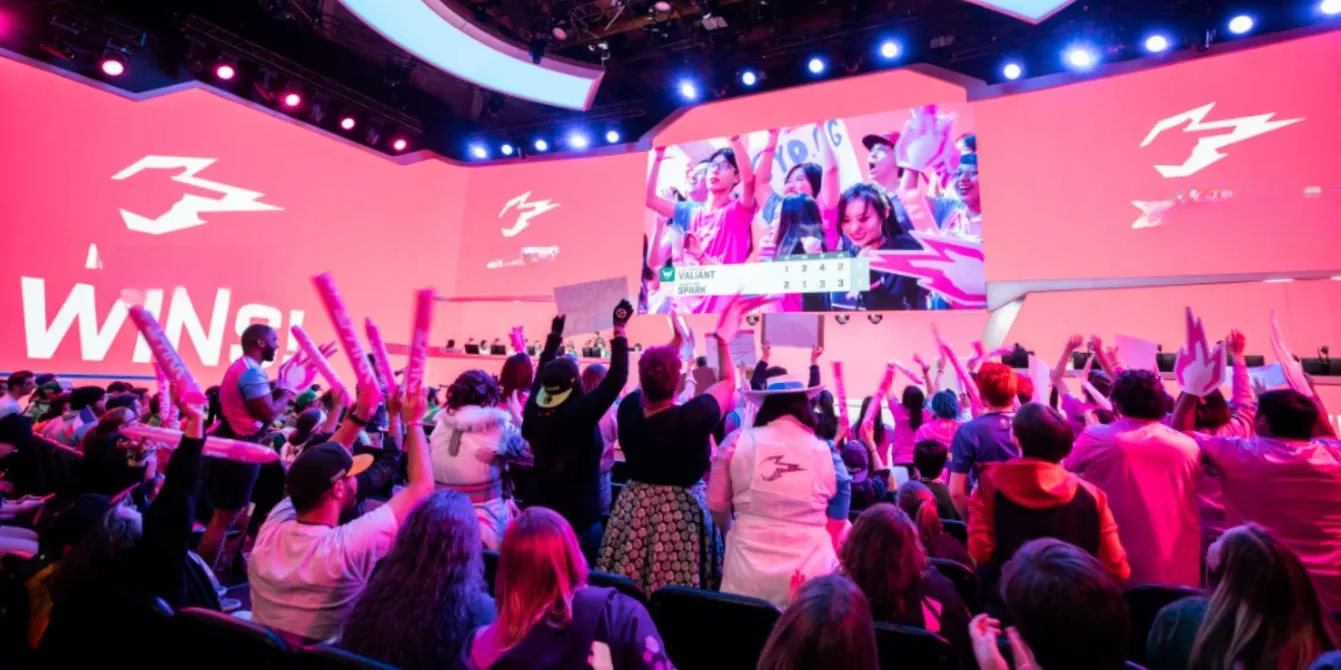
Looking back now in 2026, it's like watching a slow-motion train wreck where you can pinpoint every single derailment. Hindsight is 20/20, as they say. The OWL didn't fail because of one thing; it was a perfect storm of bad luck, bad timing, and some seriously questionable decisions from the top. Trying to figure out the single reason is a fool's errand. But if I had to break down the main culprits, my dude, there are three huge ones.
The Triple Whammy That Sank the Ship
First up, and this one still grinds my gears: The Great Content Drought. Blizzard basically put the original Overwatch on life support while they worked on Overwatch 2. For years! We're talking major content updates drying up. No new heroes, maps, or meaningful events for what felt like an eternity. The meta got stale, the player base got bored, and folks just... moved on. The league needed a thriving, engaged community more than anything, and right when it needed that fuel, the tank was empty. It was a classic case of shooting yourself in the foot.
Second, the big one nobody could control: The Pandemic. Covid-19 was an absolute nightmare for the OWL's core model. The whole dream was built on live, in-person events—teams traveling the world, playing in packed arenas, that electric home-and-away atmosphere. When the world shut down in Season 3 and everything went online, that dream was put on ice. Sure, they made online play work, and shoutout to the production crews for that, but the soul of the thing was gone. Franchise owners who invested millions expecting ticket sales and merch revenue? They were bleeding money. The financial model cracked under the pressure.
And then, the final nail in the coffin: Blizzard's Own House Was on Fire. The 2021 lawsuit that exposed decades of toxic workplace culture and horrific allegations at Activision Blizzard was a disaster of epic proportions. The fallout was immediate and brutal for the OWL:
-
Sponsors fled. Big-name advertisers didn't want to be associated with that mess.
-
Community trust evaporated. How can you cheer for a league run by a company in such turmoil?
-
It sparked massive internal change. This was the catalyst for the Microsoft buyout and unionization efforts, which, while good in the long run, created immense instability.
The OWL became a casualty of Blizzard's history. It's tragic, but true.
Why It All Mattered (And Still Does)
This isn't just some corporate failure, you know? Real people are hurting. I feel for:
-
The players who dedicated their lives to this and are now out of a job.
-
The fans who built identities around their city's team.
-
The casters, analysts, and crew who made every match special.
-
Heck, even the investors who genuinely believed in the vision.
The biggest shame? This failure probably means no one will ever try something this ambitious in esports again. And that, my friends, is the real loss.
Because here's the thing: The vision wasn't wrong. I was there during that first season in the Blizzard Arena in Burbank. I'm not a sports guy, never have been. But being in that arena, feeling the crowd roar for a clutch D.Va bomb or a miracle Nano Blade... it was magic. It created a real, tangible community. It gave an online game a physical heartbeat. There's something uniquely powerful about that weekly gathering, that shared experience you can't replicate just watching a stream at home.
| What We Lost | Why It Was Special |
|---|---|
| Local Identity | Cheering for your city's team (Go Defiant! ...RIP) created deep loyalty. |
| Live Events | The energy of a live crowd is unbeatable. It turns gameplay into spectacle. |
| Structured Season | It gave us a narrative to follow, rivalries to invest in, playoffs to anticipate. |
Sure, there will always be online tournaments. But the OWL offered something more. It was an experiment that failed, but not because the core idea was flawed. It failed because of a confluence of external disasters and internal mismanagement.
So, as we look ahead in 2026, with Overwatch 2 still chugging along (and finally doing better by its heroes, I might add), the competitive scene will evolve. It has to. But let's not write off the dream of a truly global, city-based esports league as impossible. Just because the OWL was a train wreck doesn't mean the destination wasn't worth reaching. We may never get another shot like it, and that's the real tragedy. The league is gone, but the memory of what it could have been? That's gonna stick with me for a long, long time. 😔✊
Leave a Comment
0 Comments