When Overwatch 2 Found Its Footing: The Wild Patches of Early 2023
Overwatch 2 updates in early 2023 brought quirky changes and balance fixes, revitalizing Blizzard’s shooter and delighting players.
Back in early 2023, the Overwatch 2 team at Blizzard was like a chef frantically adjusting seasoning in the middle of a dinner rush. The previous months had been a whirlwind—free-to-play launch, a rocky Battle for Olympus event, and a player base that seemed impossible to please. But February 2023 brought a flurry of changes so surprising and, at times, downright quirky that even the most jaded players had to crack a smile. This is the story of those weeks, told from a vantage point three years later, when the dust has long settled and the game has evolved into something unrecognizable yet oddly familiar.
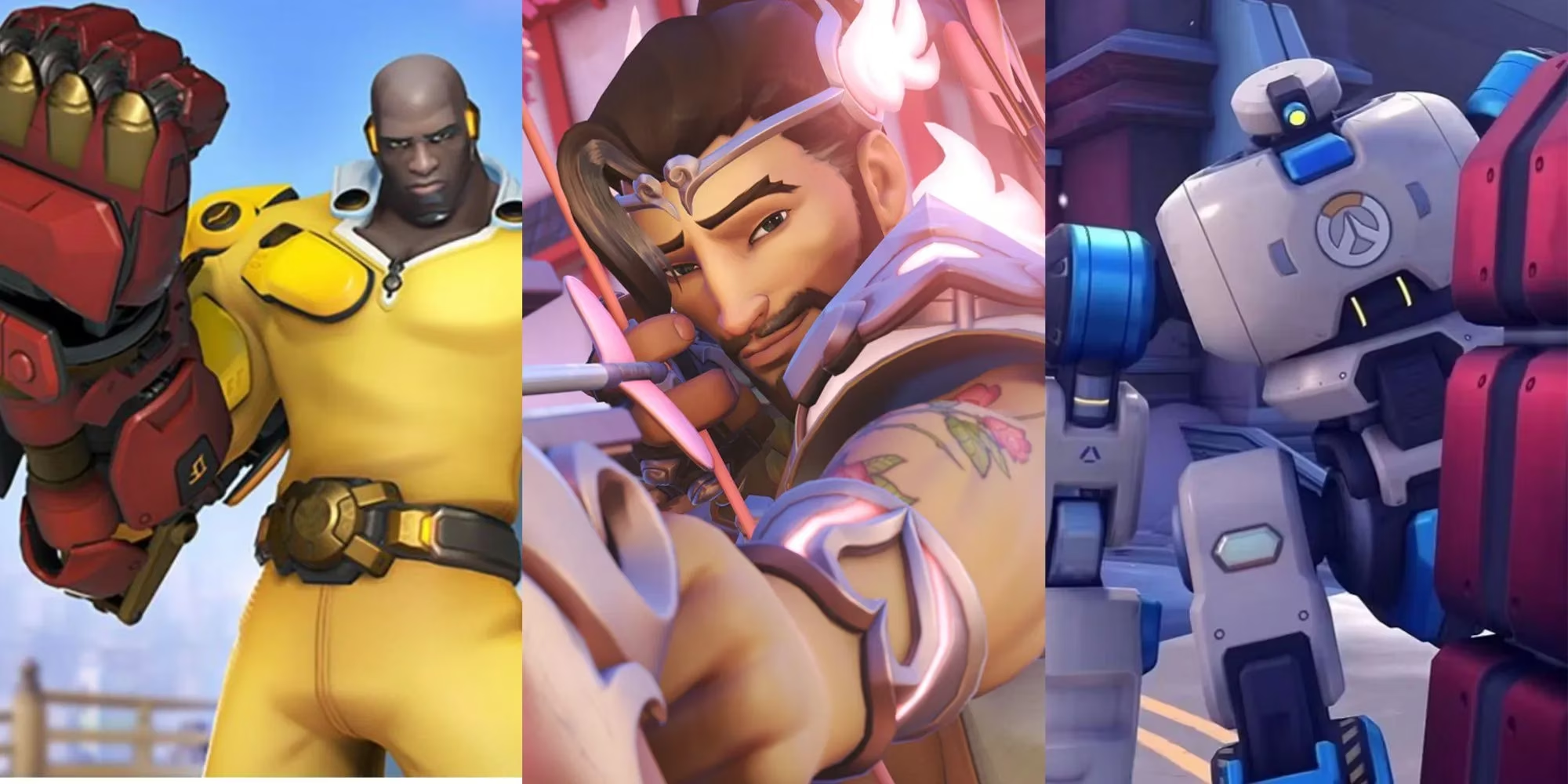
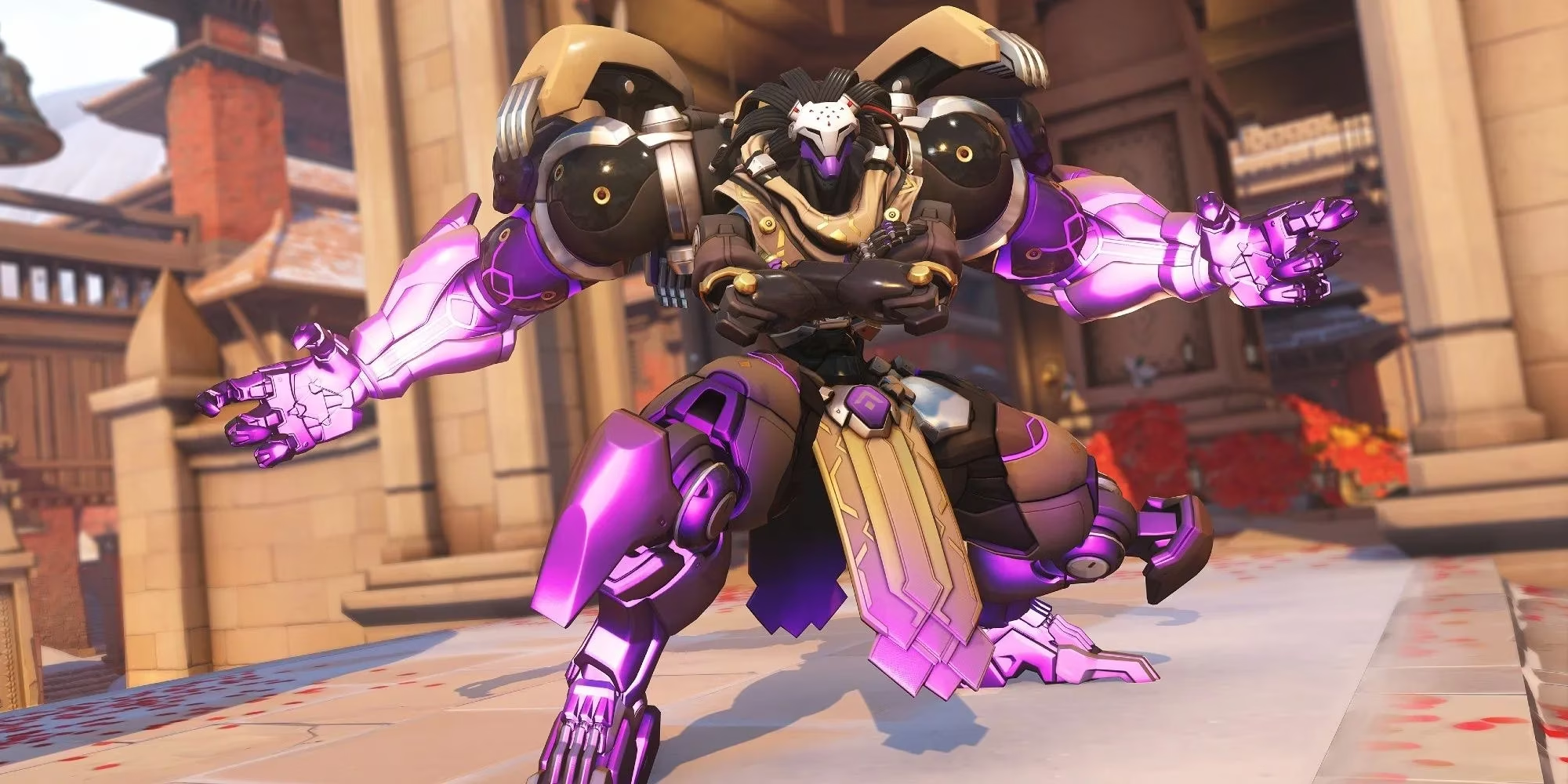
The first sign that Blizzard was finally listening came with the patch notes. They read almost like a love letter to competitive integrity. “The health totals for all tank heroes will be lower when playing any game mode that does not have a role queue,” they announced. Oh, the tank mains howled. But behind the groans, there was relief. Ramattra, the brooding omnic who could pummel backlines into submission, had been making casual open-queue matches a nightmare. The nerfs didn’t just tweak numbers; they told a story—a tale of a developer willing to sacrifice popularity for fairness. You could almost hear the tanks grumbling, “Fine, I guess I’ll actually have to use cover now.” It was a necessary evil, and deep down, everyone knew it.
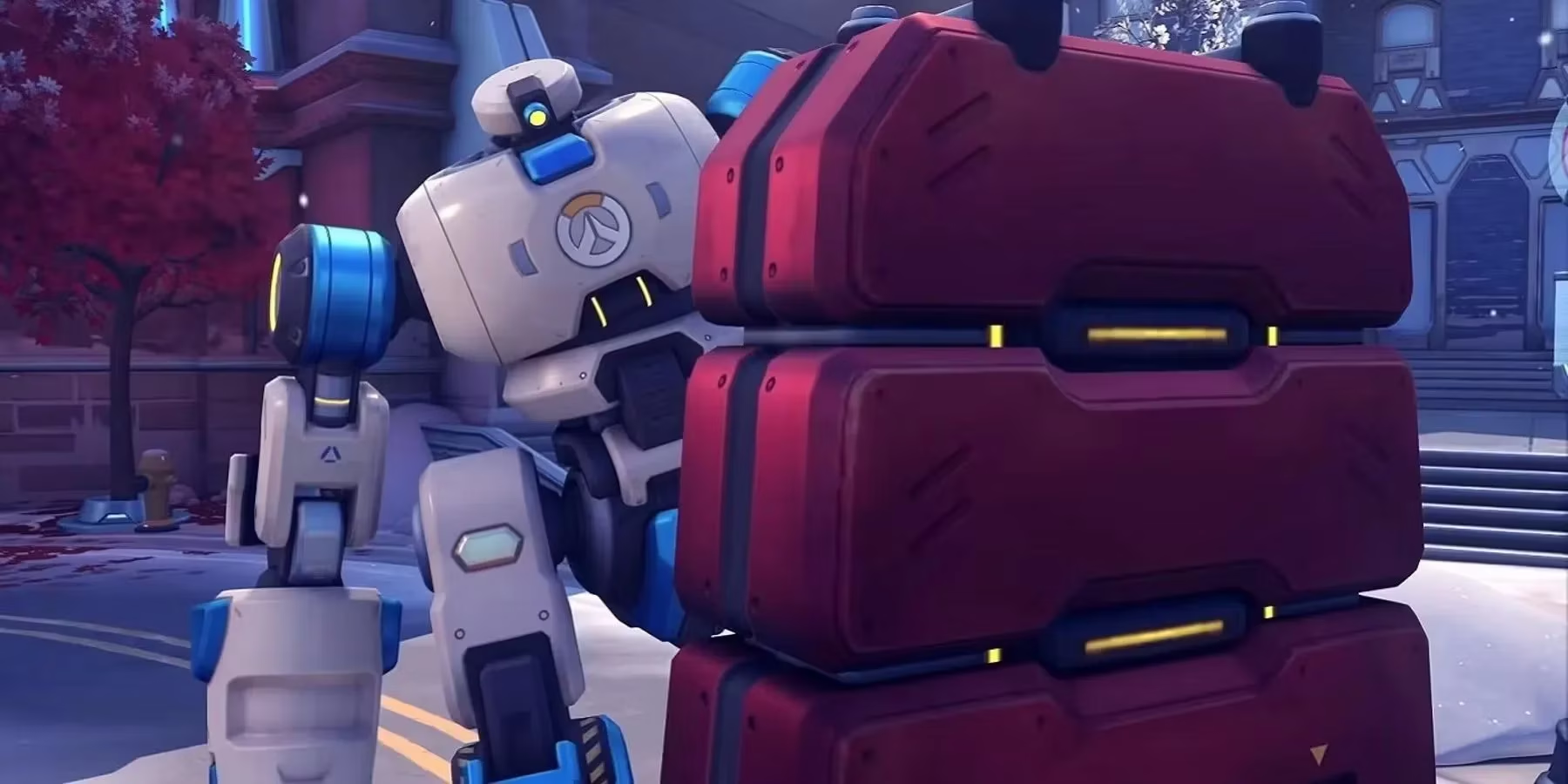
Then came the revelation that Push maps had been haunting players 30 percent more often than any other mode. Aaron Keller, the game director, stepped forward with an almost apologetic tone. “We implemented a quick fix this week that should go part way to balancing this out,” he said. For weeks, the first fight on New Queen Street or Colosseo had decided the entire match. If your team lost the initial clash, you’d spend the next eight minutes watching that cheerful robot stroll backward as if taunting your incompetence. The reduced frequency felt like a weight lifted. Push didn’t disappear, but it stopped feeling like a punishment. Players could finally breathe between rounds without the dreaded “Match Found: Esperança” popping up yet again.
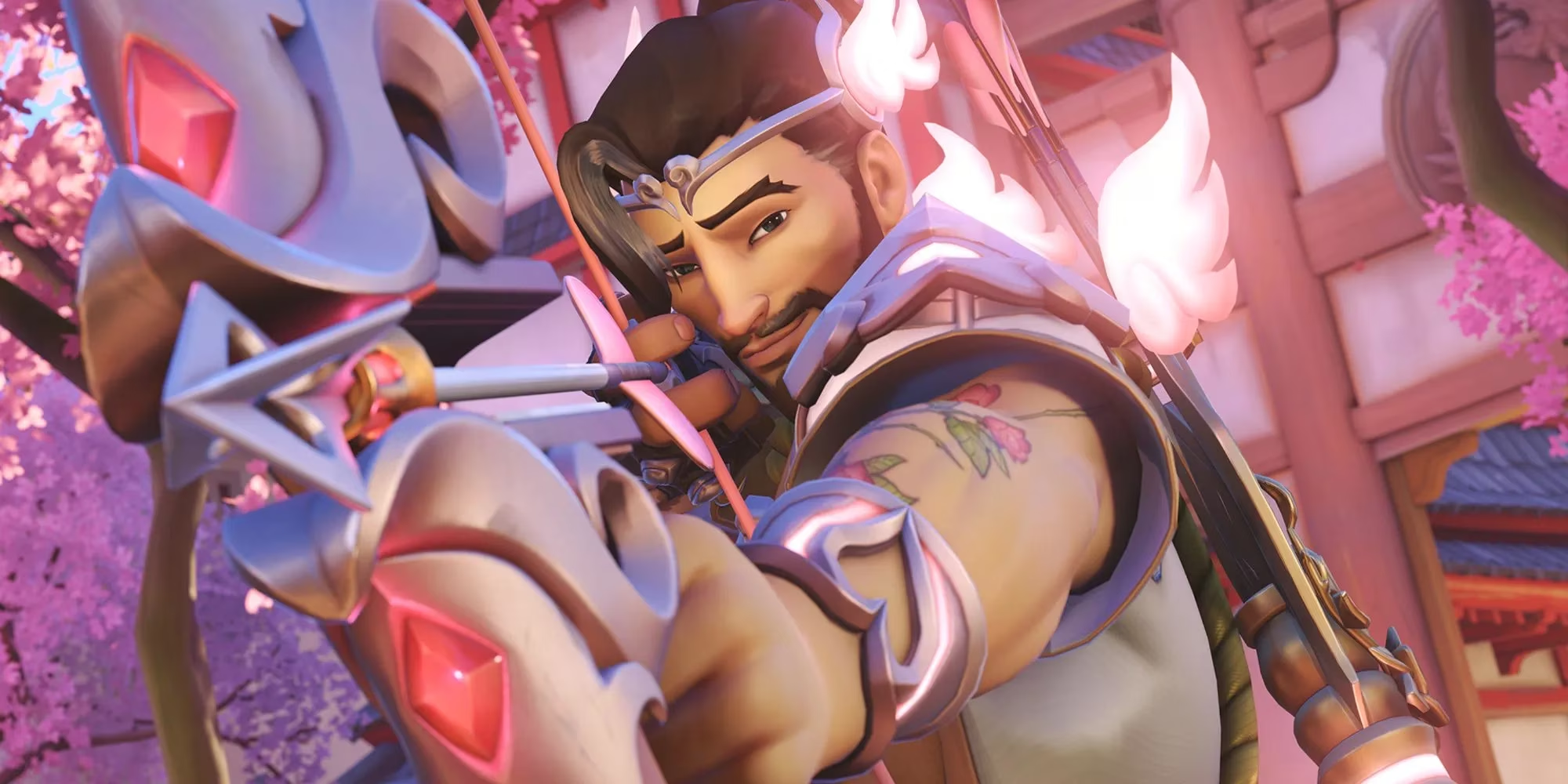
And just when the community thought the news couldn’t get any weirder, Blizzard dropped two curveballs. First, a dating sim. Yes, a dating sim called Loverwatch, launching on Valentine’s Day eve, starring Mercy and Genji, with Cupid—looking suspiciously like Hanzo—guiding the dialogue. “Unlock the secret ending, and you’ll be rewarded with a themed POTG Highlight,” the blog teased. The internet exploded. Was it cringe? Absolutely. Was it brilliant? You bet. For one glorious week, even the sweatiest competitive players set down their mice to flirt with fictional heroes. Loverwatch was the jolt of absurdity Overwatch 2 needed, the kind of thing that made you roll your eyes and click “install” anyway.
The second surprise was a collaboration that seemed ripped from a fever dream: Overwatch 2 would meet One Punch Man. Saitama’s stoic face and Genos’s metallic glare got slapped onto Doomfist, Soldier: 76, Genji, and Kiriko. But Keller was careful to frame these as “cosplay” rather than full re-skins. “You’ll notice with the One-Punch Man skins that our heroes are wearing a costume of a One-Punch Man character,” he explained. “They still look like our heroes on the battlefield and they still sound like our heroes.” It was a smart move, keeping the game’s identity intact while tapping into anime hype. The forums flooded with screenshots of Doomfist shouting “Eat this!” while dressed as Saitama, and for a moment, the endless debates about balance fell silent.
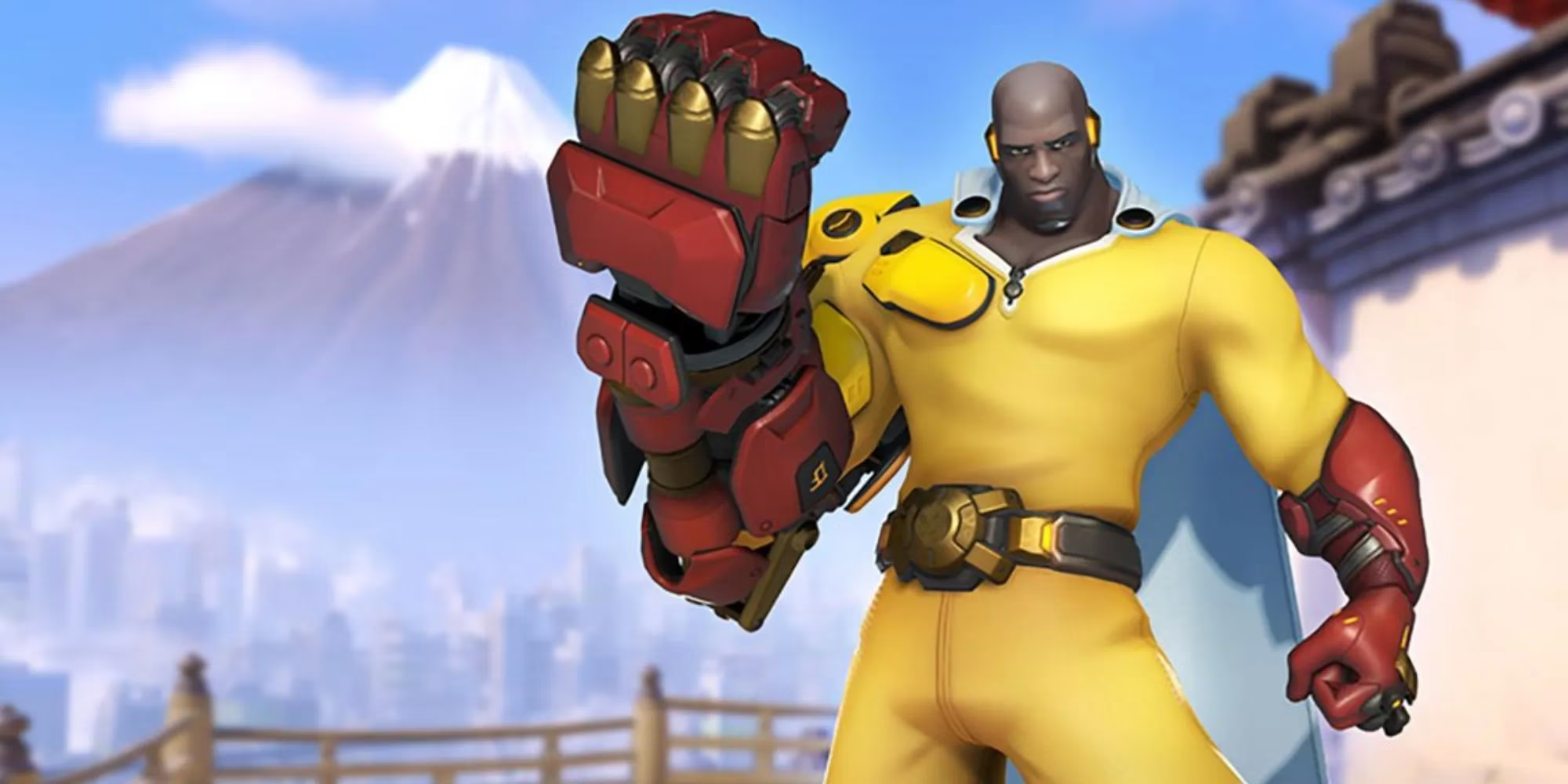
Beneath the silliness, though, more structural work continued. The Arcade mode, beloved but criminally underserved by matchmaking, was showing cracks. Queue times stretched so long that players joked they could learn a new language between matches. Blizzard hinted at merging some arcade modes to funnel more people into the same queues. It was a quiet announcement, easy to miss amid the dating sim buzz, but it signaled a philosophy shift: less fragmentation, healthier lobbies. Over time, that little seed would grow into the streamlined arcade experience players enjoy in 2026.
Looking back, those early 2023 patches were a turning point. Blizzard stopped treating Overwatch 2 like a monolith and started nurturing it like a living, breathing thing—full of balance fixes, wild experiments, and a willingness to laugh at itself. The tank nerfs made games tighter. The Push map tweak restored tactical depth. The dating sim reminded everyone that heroes are, above all, characters with personalities worth loving. And the One Punch Man crossover cracked open a door to a future where collaborations would feel natural, not forced. Today, as the game enters its fourth year of post-rework life, these moments are remembered not as fixes, but as the first chapters of a love story between a game and its community—a story that, against all odds, is still being written.
Leave a Comment
0 Comments