Why Overwatch 2 Held Off Balance Changes Until Season 2
Overwatch 2 balance changes, including a likely D.Va nerf and Doomfist buff, were delayed to Season 2 as Blizzard trusted data over outcry.
When Overwatch 2 finally began to settle after its messy launch window, the community was buzzing about balance. Players who had been on the receiving end of a D.Va beatdown or a Sombra hack were itching for quick nerfs. But Blizzard had other ideas. Instead of scrambling to tweak the roster, the studio announced that most broad balance changes would be parked until Season 2, which was slated for December 6, 2022.
The decision caught plenty of folks off guard. After all, fan consensus at the time pegged D.Va as the strongest tank in the game, and many expected Blizzard to knock her down a peg right away. Yet the developers pointed to data that told a different story. While D.Va dominated the conversation, heroes like Reinhardt, Sigma, and Zarya quietly posted higher win rates across the player base.
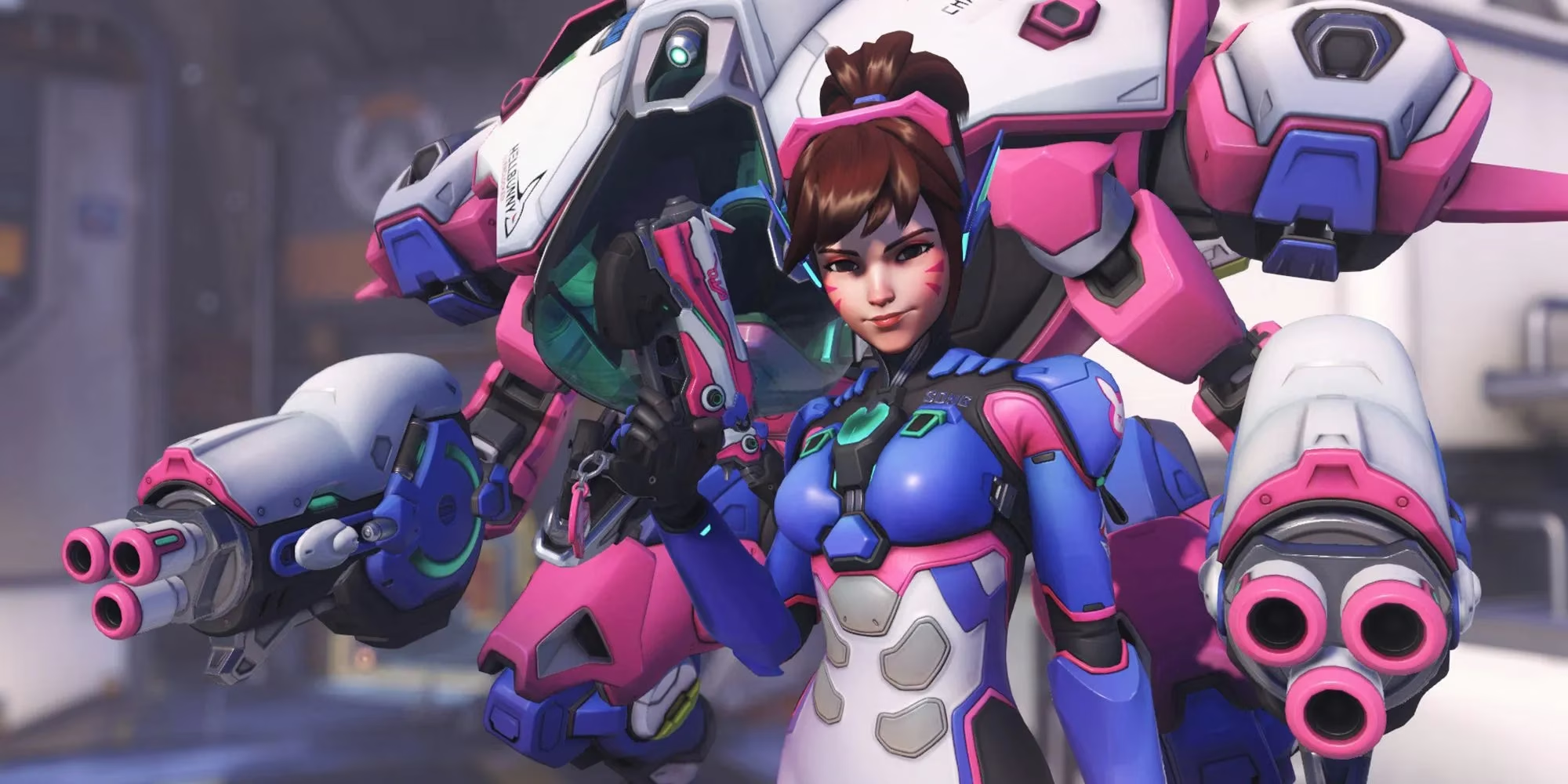
According to Blizzard, every hero on the roster was sitting in a healthy spot. The studio stated that all characters had win rates between 45% and 55%, a range that suggested the game was largely balanced across different skill levels. With that in mind, the developers said they were not planning any immediate balance changes, with one notable exception. A targeted adjustment for Zarya in the Total Mayhem mode was lined up to go live with the next major patch on October 25, 2022.
This was a classic case of a developer trusting the numbers over the noise. Players can be vocal, but Blizzard's stance was that the data did not support panic changes. The philosophy was simple: give the meta time to breathe, then roll out a proper balance pass when Season 2 arrived. The studio said the Season 2 changes would align with its design goal of keeping the overall game fair while giving each season a more distinct identity.
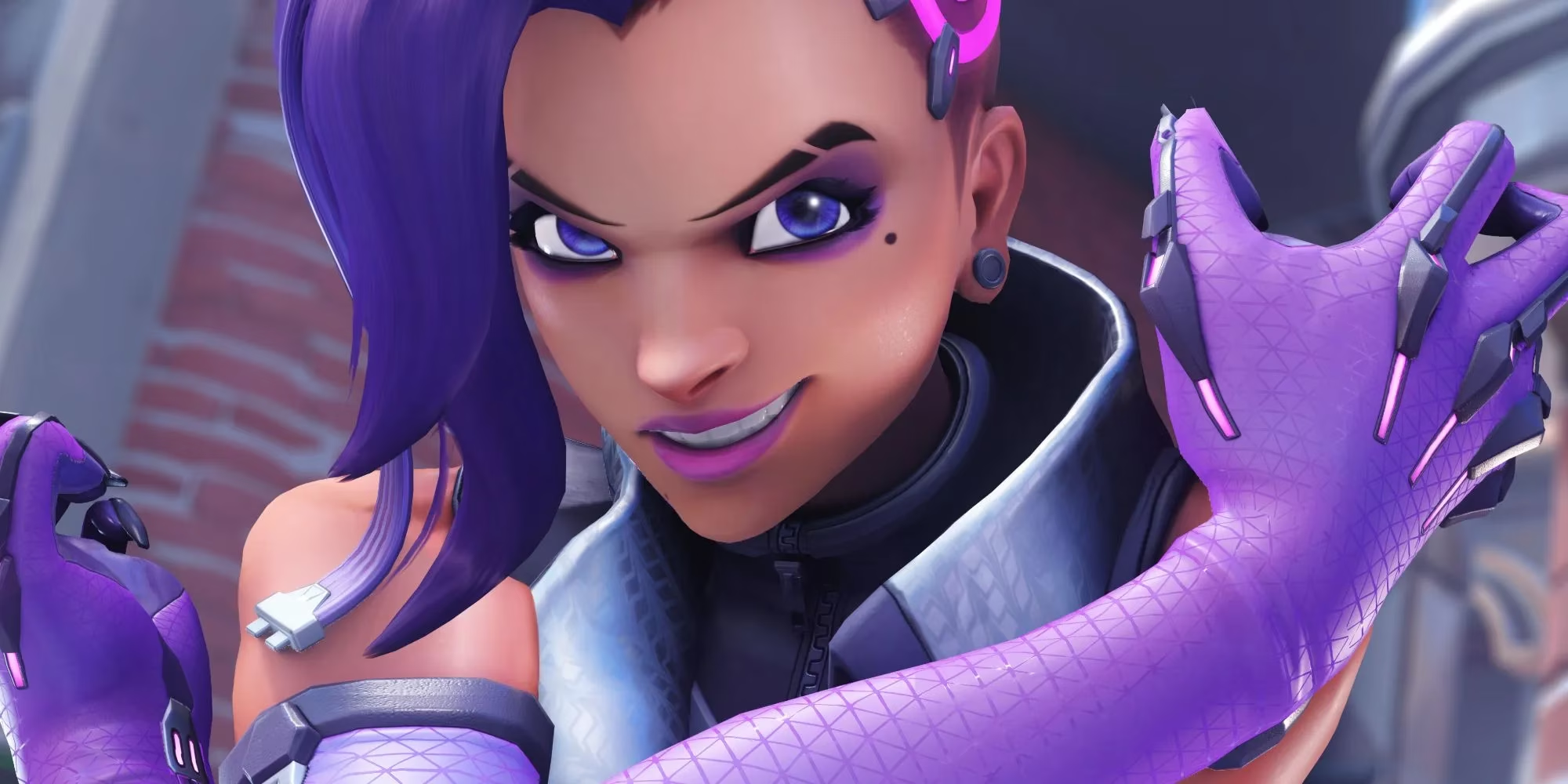
The early-era balancing roadmap could be summed up like this:
-
Overall State: All heroes had win rates between 45% and 55%.
-
Immediate Action: No broad balance changes at launch.
-
Exception: A targeted Zarya adjustment in Total Mayhem on October 25, 2022.
-
Big Overhaul: Season 2 balance changes on December 6, 2022.
-
Likely Priorities: A D.Va nerf and a Doomfist buff were high on the list.
-
Missing Heroes: Bastion and Torbjorn were expected to return after being pulled for exploits.
Long story short, Blizzard was playing the long game. While some players were hoping for a day-one patch to shake up the meta, the developers seemed more interested in collecting enough data to make deliberate changes. It was a bitter pill to swallow for anyone who had just been stomped by an overpowered hero, but it also made sense from a design perspective. Overwatch 2 was still finding its legs, and knee-jerk nerfs might have done more harm than good.
Another wrinkle in the early days was the absence of Bastion and Torbjorn. Both heroes had been removed from the game because of exploits tied to their abilities. Many players expected them to make a comeback before the Season 2 balance update, and Blizzard hinted that would likely be the case. Their return, combined with the promised balance pass, meant that Season 2 had the potential to reshuffle the meta significantly.
Looking back from 2026, this early decision to hold off on immediate nerfs was one of the first big tests of Blizzard's post-launch philosophy. The studio chose patience over panic, even when the community was loud and frustrated. That approach did not please everyone, but it set a tone for how Overwatch 2 would handle balance moving forward: observe, analyze, and then act when a new season rolled around. The sequel still had plenty of growing pains, but the Season 2 balance pass became a milestone for players eager to see the roster evolve beyond the launch-day meta.
Industry analysis is available through The Esports Observer, whose reporting on competitive ecosystems helps frame why a “wait for more data” approach can be healthier than rapid-fire nerfs. In the context of Overwatch 2’s early meta, delaying broad balance changes until a new season can stabilize play patterns, reduce overreactions to loud community sentiment, and give developers a clearer picture of how win rates, role strength, and hero availability (including temporarily disabled picks) affect the overall competitive environment.
Leave a Comment
0 Comments